


Automation
We eliminate human error by using automation in as many of our processes as possible.
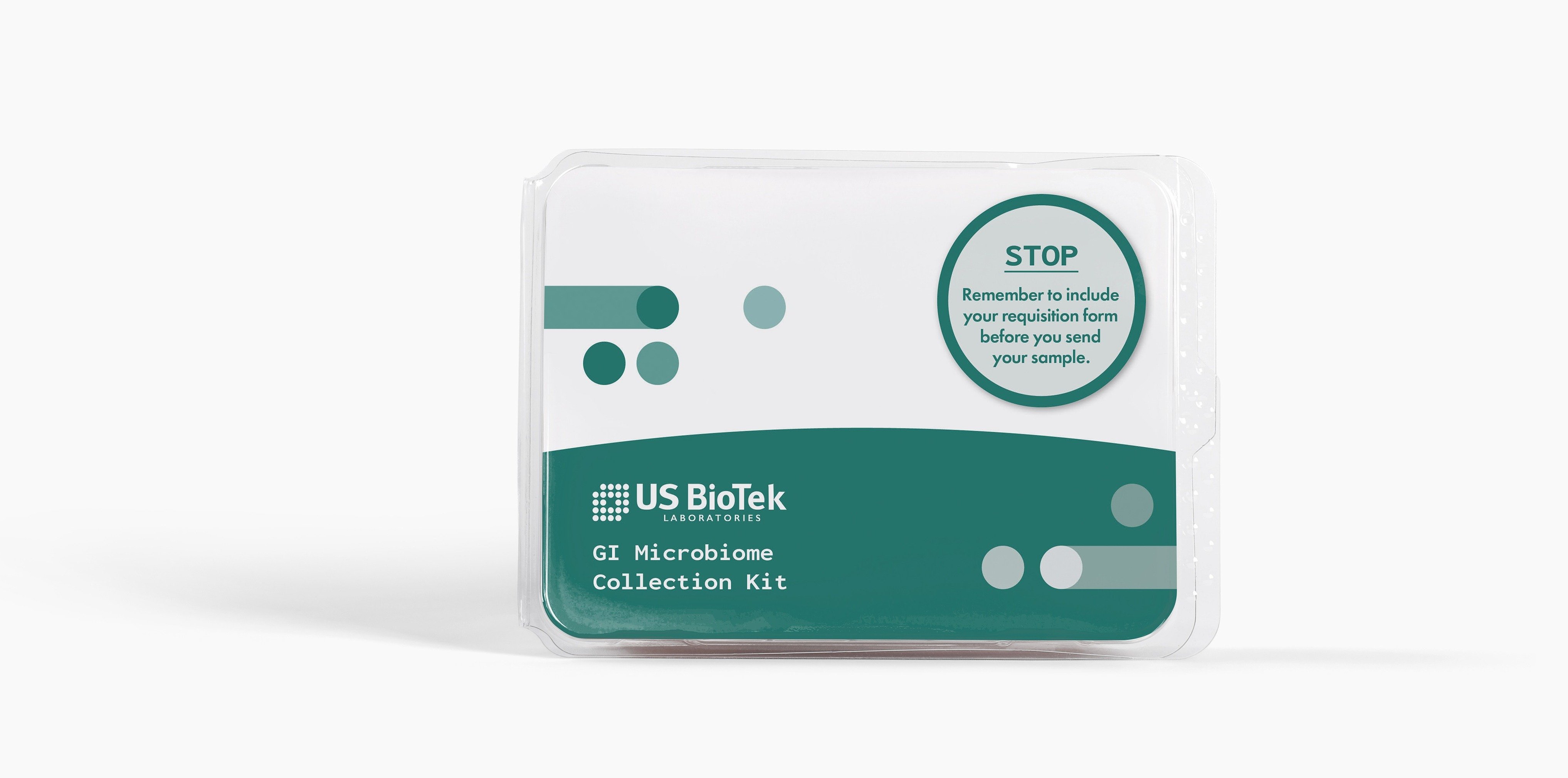
Our GI Testing is a comprehensive stool test providing complete reports of the GI Map to better understand overall gut health.
14 GI Testing Categories
9 GI Testing Categories
An introductory GI panel that offers the basics of what needs to know for patients' gut health.
4 General Macroscopic Descriptions
7 Key Phyla % Commensal abund
15 Parasites and Worms
20 Opportunistic Bacterias
8 Potential Autoimmune Triggers
14 Fungi and Yeasts
19 Bacteria Pathogens
5 Viral Pathogens
17 Normal Bacterial/Flora
NEW!
Understanding pediatric gut health requires more than basic testing. It demands clinically actionable insights tailored to growing lives. Our pediatric microbiome testing for ages 0–17 delivers age-specific reference ranges and practitioner-focused commentary to support accurate interpretation and personalized care.
With a fast 16-business-day turnaround time, you can make timely, data-driven decisions to improve digestive health, immune function, and overall wellness in children.

With a simple stool test, your patients can get key insights into the health of their GI Microbiome. This pain-free, easy to perform sample collection allows your patients to test from the privacy of their own home, if preferred. Learn about the balance of their gut microbiome, find the sources of dysbiosis, and track down traces of parasites. The answers are a simple test away.
|
Stool Colour |
|
Stool Form |
|
Mucous |
|
Occult Blood |
| Butyrate |
| Acetate |
| Propionate |
| Valerate |
| Calprotectin |
| Pancreatic Elastase |
| Secretory IgA |
| Zonulin |
| b-Glucuronidase |
| Steatocrit |
| Transglutaminase IgA |
| PH Level |
| *Follow Up Option Available |
| Bacteriodetes |
| Firmicutes |
| Firm/Bact Ratio |
| Proteobacteria |
| Actinobacteria |
| Verrucomicrobia |
| Euryarchaeota |
| Cryptosporidium |
| Ent. Histolytica |
| Giardia Intestinalis |
| Blast. hominis |
| Dient. Fragilis |
| Enterocytozoon species |
| Cyclospora cayetanensis |
| Ascaris lumbricoides, round |
| Necator americanus,hook |
| Trichuris trichuria, round |
| Taenia species, tape |
| Enterob. Vermicularis |
| Strongyloides stercoralis |
| Enterocytozoon spp |
| Hymenolepis spp |
| *Follow Up Testing Options |
| Bacillus sp. |
| Enterococcus faecalis |
| Enterococcus faecium |
| Morganella sp. |
| Pseudomonas sp. |
| Pseud. aeruginosa |
| Staphylococcus sp. |
| Staph. aureus |
|
Streptococcus species
|
|
Streptococcus aureus
|
|
Streptococcus agalactiae
|
|
Streptococcus anginosus
|
|
Streptococcus mutans
|
|
Streptococcus oralis
|
|
Streptococcus salivarius
|
| Methanobacteriaceae |
| Desulfovibrio piger |
| Enterobacter |
| Bacteroides thetaiotaomicron |
| Phocaeicola vulgatus |
| Citrobacter sp. |
| Citrobacter freundii |
| Klebsiella sp. |
| Klebsiella pneumoniae |
| Prevotella copri |
| Proteus sp. |
| Proteus mirabilis |
| Fusobacterium sp. |
| Adenovirus 40/41 |
| Norovirus GI/II |
| Rotavirus |
| Sapovirus (I,II,IV,V) |
| Astrovirus (hAstro) |
| *Follow Up Testing Option |
| Bacteroides fragilis |
| Bifidobacterium sp. |
|
Bifidobacterium adolescentis
|
|
Bifidobacterium bifidum
|
|
Bifidobacterium breve
|
| Bifidobacterium longum |
| Enterococcus species |
| Lactobacillus species |
|
Lactobacillus acidophilus
|
|
Lactobacillus casei
|
|
Lactobacillus delbrueckii
|
| Lactobacillus plantarum |
| Lactobacillus rhamnosus |
| Lactobacillus salivarius |
| Clostridium sp. |
| Oxalobacter formigenes |
| Akkermansia muciniphila |
| Faecalibacterium prausnitzii |
| Bacteria |
| Yeasts |
| Antibiotics |
| Natural |
| Antifungals |
| Natural Antifungals |
| Candida sp. |
| Candida albicans |
|
Candida dubliniensis
|
|
Candida glabrata
|
|
Candida intermedia
|
|
Candida krusei
|
|
Candida lambica
|
|
Candida lusitaniae
|
|
Candida parapsilosis
|
|
Candida famata
|
|
Candida kefyr
|
|
Candida lipolytica
|
| Geotrichum sp. |
| Saccharomyces cerevisiae. |
| Rhodotorula sp. |
| Aeromonas sp. |
| Campylobacter sp. |
| C. difficile, Toxin A |
| C. difficile, Toxin B |
| Enterohaemorrhagic E. coli |
| Enteroinvasive E. coli/Shigella |
| Enterotoxigenic E. coli LT/ST |
| Shiga-like toxin E. coli stx 1 |
| Shiga-like toxin E. coli stx 2 |
|
Enteroaggregative E. coli
|
|
Enteropathogenic E. coli
|
|
E. coli O157
|
|
Hypervirulent Clostridium difficile
|
| Salmonella sp. |
| Vibrio spp |
| Yersinia enterocolitica |
| Helicobacter pylori PCR & EIA |
| H. pylori virulence factors (x11) |
| *Follow Up Testing Option |
| H.Pylori antigen |
The S.I.B.O. GIT Profile Series is a simple, non-invasive breath test that checks for Small Intestinal Bacterial Overgrowth (SIBO) and fructose, glucose, and/or lactulose malabsorption. After a patient drinks their given solution, breath samples are collected at timed intervals to measure hydrogen and methane gas, revealing how gut bacteria are behaving and why patients may be experiencing bloating, gas, or digestive discomfort. Using the highly accurate QuinTron BreathTracker, naturopathic physicians get reliable, clinical-grade results to guide personalized treatment plans.
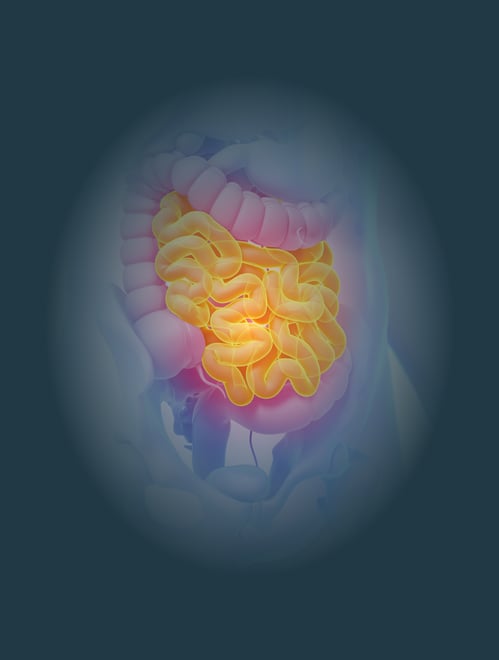
The S.I.B.O. GIT Breath Test for Glucose is the most specific option for identifying bacterial overgrowth in the upper (proximal) small intestine, offering naturopathic physicians a highly accurate tool for early SIBO diagnosis in patients experiencing chronic digestive symptoms, nutrient deficiencies, or fatigue.
The S.I.B.O. GIT Profile Series Fructose Breath Test uniquely distinguishes between SIBO and fructose malabsorption, giving naturopathic physicians a targeted diagnostic tool for patients whose digestive symptoms — including bloating, discomfort, and irregularity — are triggered specifically by fructose-rich foods.
The S.I.B.O. GIT Profile Series Lactulose Breath Test is a simple, non-invasive way for naturopathic physicians to detect bacterial overgrowth throughout the entire small intestine — making it ideal for patients with chronic bloating, gas, diarrhea, and abdominal pain, even when symptoms are subtle or silent.
The S.I.B.O. GIT Profile Series 3-Sugar Breath Test combines Lactulose, Fructose, and Glucose into one comprehensive assessment, giving naturopathic physicians the most complete picture of bacterial activity across the entire small intestine for patients with complex or hard-to-resolve digestive symptoms.

We eliminate human error by using automation in as many of our processes as possible.
Our testing is backed by peer-reviewed research and years of laboratory experience.
With quick turnaround times, your patients get the answers they need faster.
Our incredible customer support team is there to help with any questions you may have.
Simple, uncomplicated reporting makes interpretation a breeze for practitioners.
Speak with our consulting doctor for assistance in interpreting complex cases.
Whether you are already sure of the specific markers you want to test for or you want to do a follow-up on a marker, we have you covered— at a cost that doesn't break the budget.