Overview
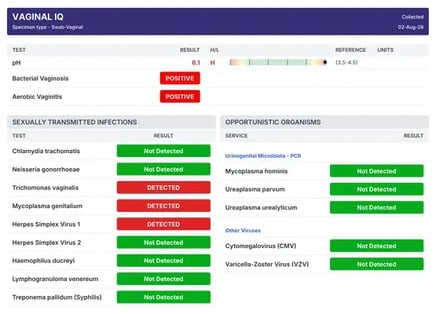
Vaginal microbiome testing can identify organisms such as Gardnerella vaginalis, Ureaplasma, and Lactobacillus species, but presence or absence alone does not establish clinical significance or determine the most appropriate treatment. Traditional interpretation of vaginal microbiome test results often emphasizes individual bacteria without assessing the broader microbial ecosystem in which they are found.
What is the vaginal microbiome trifecta?
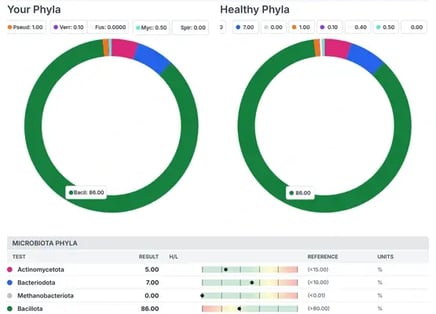
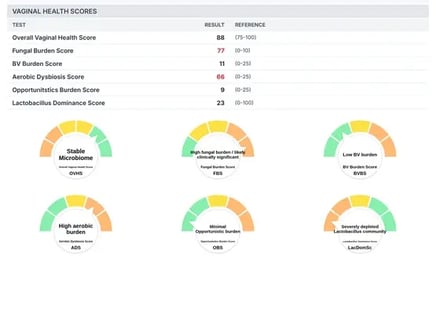
This webinar introduces the vaginal microbiome trifecta of vaginal pH, total bacterial abundance (microbial biomass), and microbial diversity as a framework for more comprehensive interpretation of vaginal microbiome testing. We will examine how similar bacterial findings can reflect very different microbial environments, including high-diversity communities, Lactobacillus depletion, and low total microbial biomass, each with important implications for treatment selection and outcomes.
Why does vaginal dysbiosis recur after treatment?
Beyond bacterial composition, we will explore the physiological factors that influence vaginal microbiome health, including estrogen signalling, mucosal integrity, circulation, and local immune function. Particular attention will be given to microbial depletion, recurrent dysbiosis such as recurrent bacterial vaginosis (BV), and the limitations of repeated antimicrobial treatment when the underlying vaginal environment remains compromised.
What clinicians will take away
Clinicians will gain a practical framework for interpreting vaginal microbiome results, identifying potential drivers of treatment failure, and developing individualized strategies that address both microbial composition and the physiological environment supporting vaginal health.
Learning Objectives
By the end of this webinar, participants will be able to:
-
Interpret vaginal microbiome test results using vaginal pH, total bacterial abundance, and microbial diversity rather than pathogen detection alone.
-
Differentiate patterns of vaginal dysbiosis, including pathogen-associated dysbiosis, Lactobacillus depletion, and low microbial biomass.
-
Evaluate the physiological factors influencing vaginal microbiome health, including estrogen signalling, mucosal integrity, circulation, and local immune function.
-
Identify potential contributors to recurrent vaginal dysbiosis and treatment failure, including the limitations of antimicrobial-focused treatment strategies.
-
Apply an individualized treatment framework integrating microbial findings, vaginal physiology, and clinical presentation to guide antimicrobial therapy, vaginal microbiome restoration, and mucosal support.