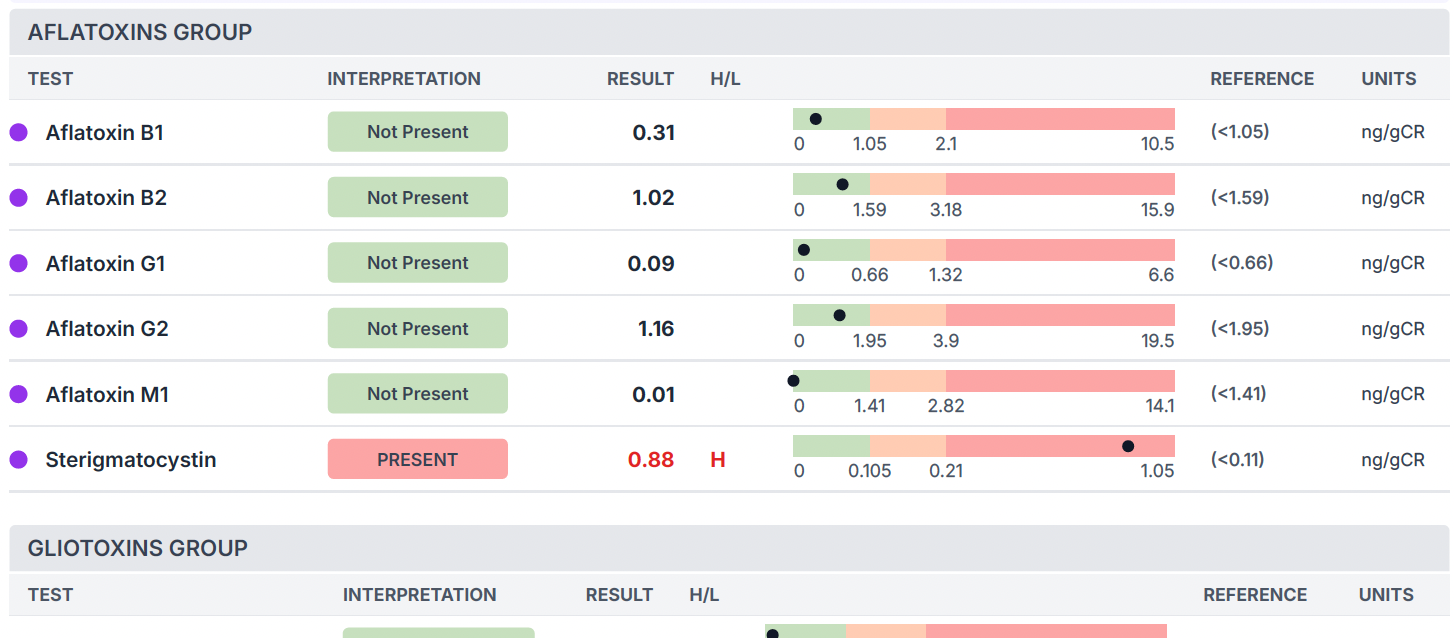
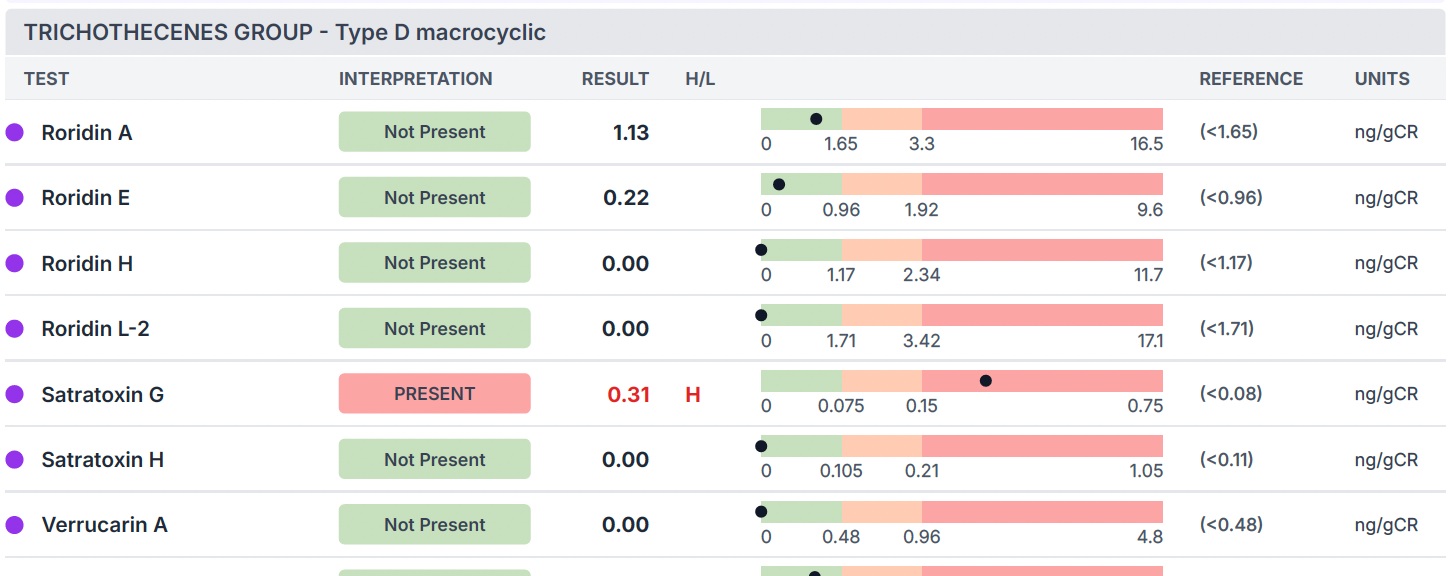
Join us for a clinical webinar on putting toxin and organic acid results into practice, designed for naturopathic, functional medicine, and integrative practitioners who want a clear, practical way to move from results to treatment decisions. This is the third and final lecture in US BioTek™ Laboratories’ three-part MOE-Tox Complete series, which moves from choosing the panel, to reading the results, to real patient cases. The session is led by Dr. Lindsay Adrian, ND, who holds a BSc in chemistry from the University of Calgary, completed naturopathic training, a residency, and a fellowship in naturopathic oncology, practices in Fort Langley, BC with a focus on cancer and complex chronic disease, and lectures internationally. She walks through four real patient cases using the same four steps in each: whether testing is appropriate, what the results show, which patterns matter, and how the patient responds to treatment.
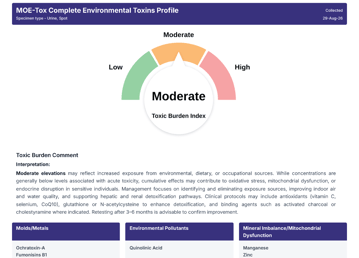
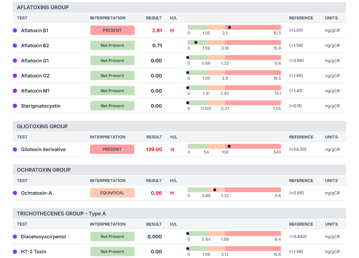
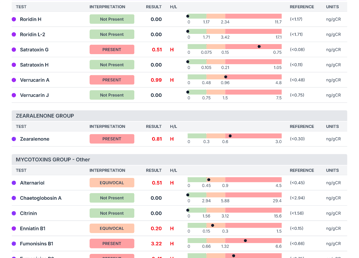
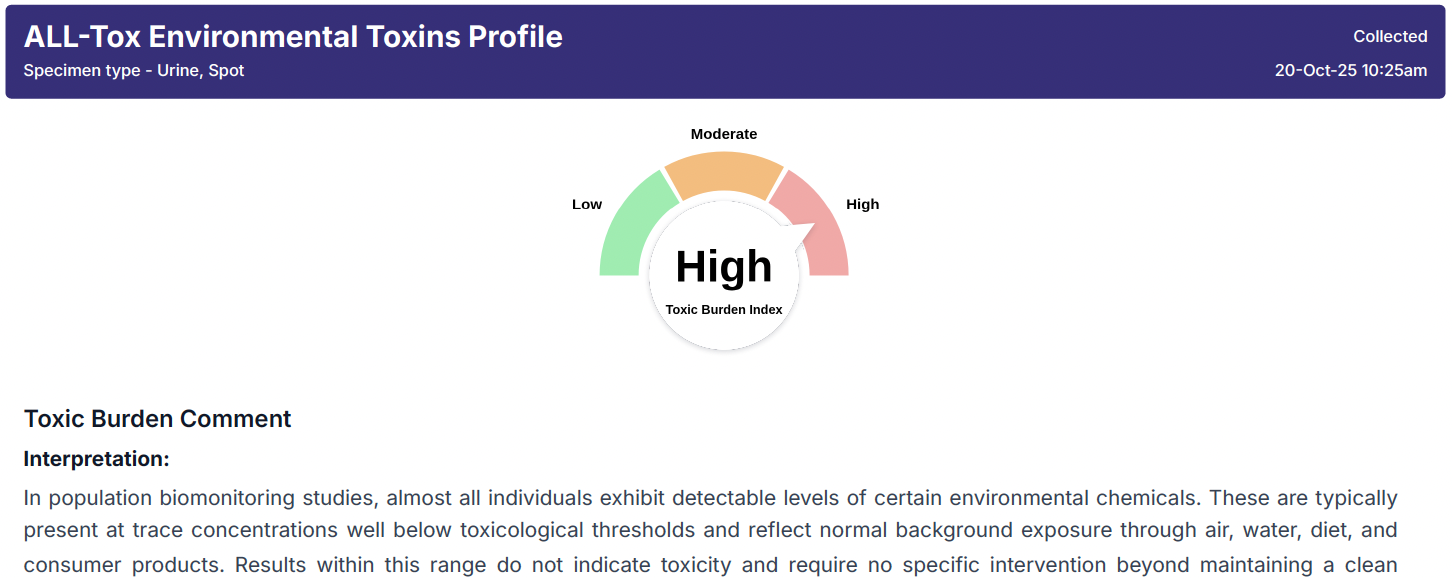
Seeing the concepts through real clinical experience is what makes the information stick. A woman with fatigue, a racing heart, and flushing had mold in her attic and a household that was often sick; her results pointed to a specific need for antioxidants, and her mixed response to treatment showed when to pivot. A previously healthy airline pilot with an autoimmune diagnosis had intact cellular function under heavy toxin stress, and his results led to a home mold test that found significant contamination. An electrician and contractor with a new ALS diagnosis and unusual features showed a high toxic burden, solvent exposure likely tied to his hobby of restoring old cars, and an energy pathway backing up at steps that share B1, B2, B3, and lipoic acid as cofactors; he improved within weeks of source removal and an aggressive protocol. A very sensitive patient with chronic pain, hypermobility, and a pattern consistent with MCAS needed slow, titrated care, and her report shows why it matters to read where results sit within their ranges, not only the flags. Dr. Adrian covers when and how to re-test, then opens the floor for your own cases.
Key Takeaways:
- Follow the same four steps in every case. Ask whether the symptoms could relate to a toxin exposure or mitochondrial dysfunction, review what is excreted, read nutrient and mitochondrial function against the symptoms, and assess how the patient responds to treatment.
- Look for patterns across the direct and functional results, not single markers. Read where a result sits within its range, and read markers in sequence along a pathway, not only the flags.
- Let the results point to the source. Toxin findings send you back to the exposure history, whether that leads to a home mold test that finds significant contamination or to an occupation and hobby that likely add solvent exposure. Keep looking for more than one source, such as leaking plumbing alongside mold in the attic.
- Start with foundations and add targeted interventions. The response to treatment is a valuable piece of information; when a patient improves in some areas and worsens in others, understanding the physiology lets you pivot, such as increasing binders and liver support as circulating toxins rise.
- Match the pace to the patient. Neuroinflammatory and neurodegenerative conditions call for fast identification of the cause and prompt removal and treatment, while a very sensitive patient needs supplements introduced slowly and titrated up as tolerated. Autoimmune disease still requires a trigger, and finding the source supports lasting stability.
- Re-test with a purpose. Re-test when the patient wants to monitor change or symptoms have resolved for over two months. Re-test only the toxins after a short timeframe and do a full re-assessment after more than a year, under the same collection conditions as the baseline and after pausing interfering supplements for at least three days.