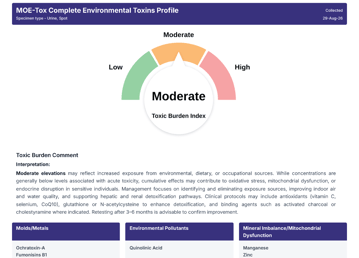
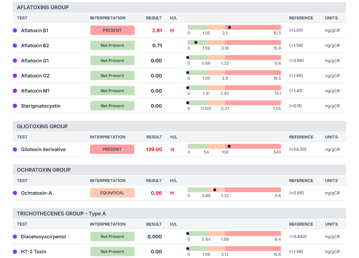
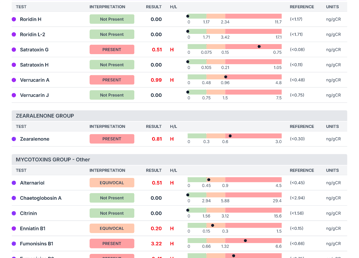
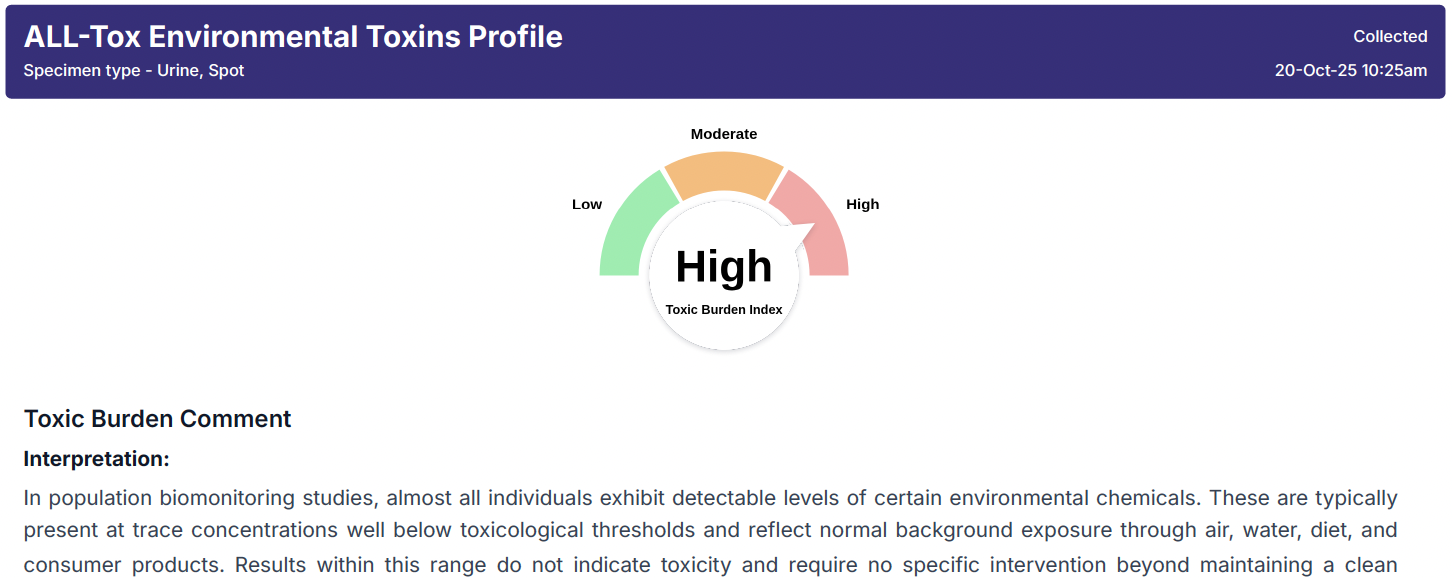
Join us for a clinical webinar on reading toxin and organic acid results, designed for naturopathic, functional medicine, and integrative practitioners who want a clear, practical way to understand what their patients’ results mean and how to explain them. This is the second lecture in US BioTek™ Laboratories’ three-part MOE-Tox Complete series, which moves from choosing the panel, to reading the results, to real patient cases. The session is led by Dr. Lindsay Adrian, ND, who holds a BSc in chemistry from the University of Calgary, completed naturopathic training, a residency, and a fellowship in naturopathic oncology, practices in Fort Langley, BC with a focus on cancer and complex chronic disease, and lectures internationally. She takes a physiology-first approach to the MOE-Tox Complete report, explaining the difference between direct and indirect results and how each step from exposure to excretion shapes the numbers on the page.
Every number on a toxin report sits at the end of a chain of absorption, transformation, and excretion. A urine result shows what is leaving the body, not what is stored: a high value can mean high exposure or effective clearance, and a low value can mean low exposure or poor clearance. Dr. Adrian starts with the physiology, from exposure through Phase I transformation and Phase II conjugation to excretion, and the nutrients each conjugation pathway depends on. She then reads the direct results (mycotoxins, toxic metals, and environmental chemicals) and the indirect results, the organic acids, using a mitochondria-as-factory model to show how cofactor shortfalls back up specific markers. She covers the patterns for vitamins B1, B2, B3, B5, and B6, carnitine, NAD+ status, oxidative stress, detoxification and methylation, the microbiome, and neurotransmitters, along with how to use the report’s summary grid, pathway maps, and Nutrition Guide. She closes with a simple framework for combining direct and indirect findings and a plain-language way to explain the report to patients.
Key Takeaways:
-
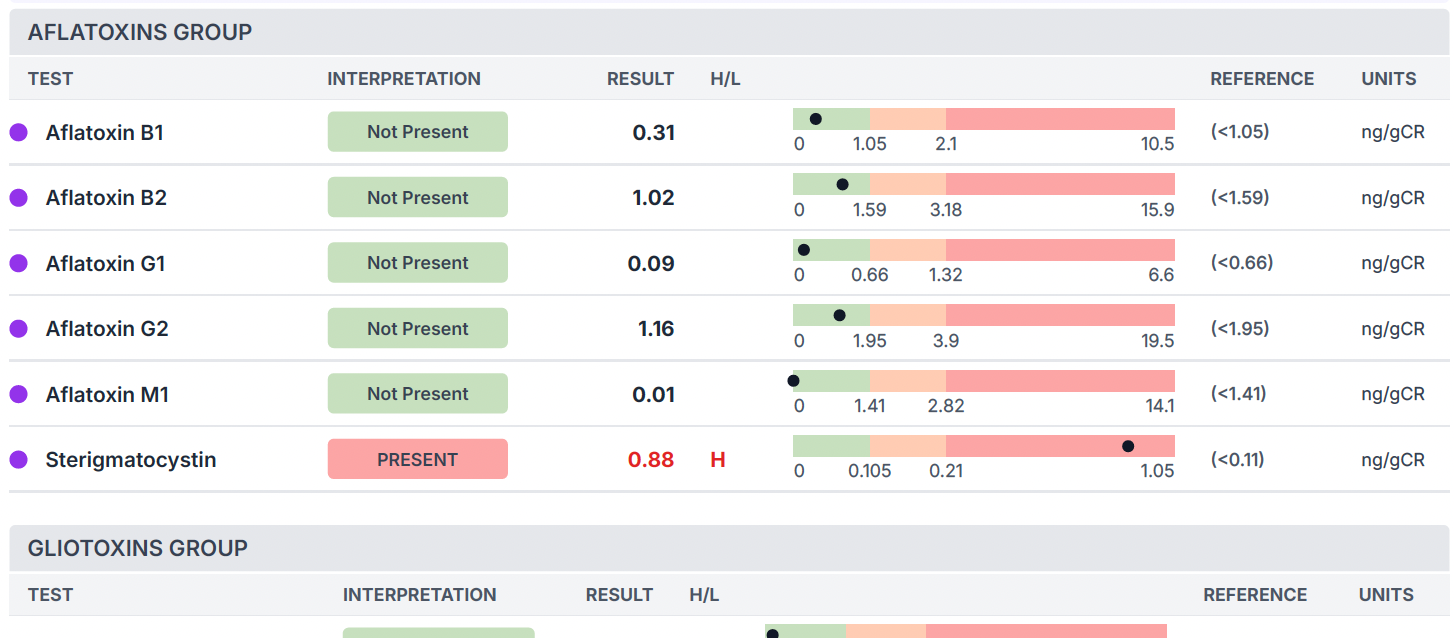
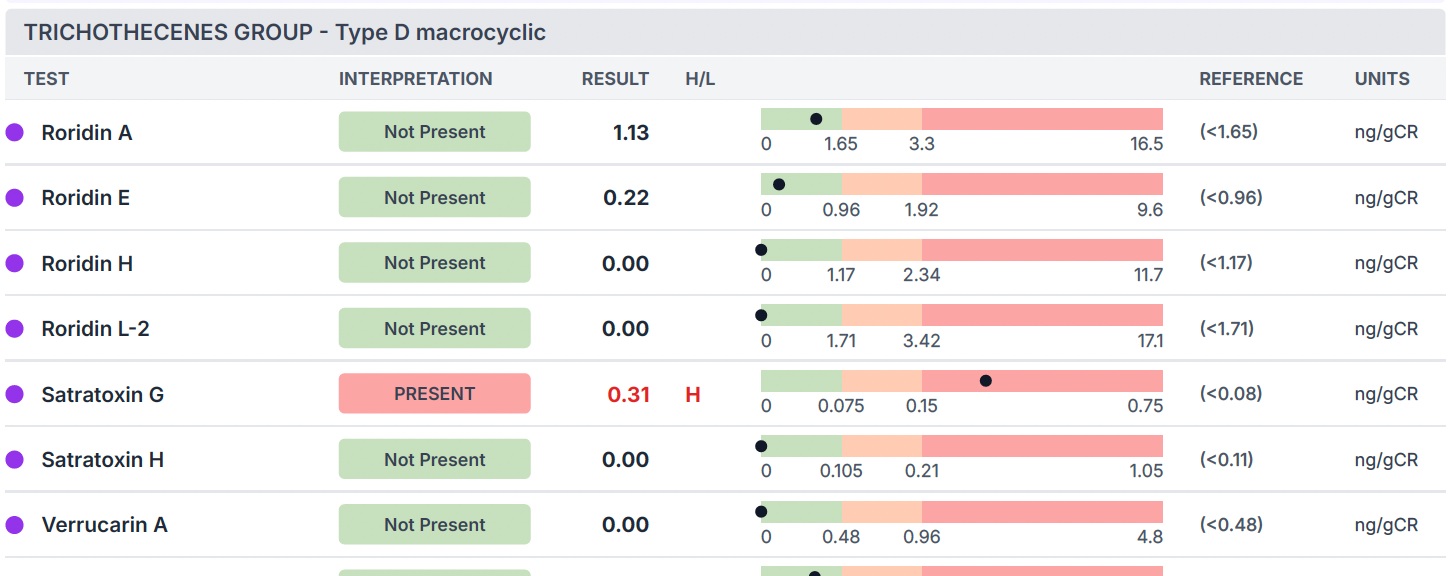
Separate direct from indirect results. Direct results measure the toxicant or nutrient itself, such as mycotoxins, metals, chemicals, and vitamins, and show what the patient is excreting. Indirect results, the organic acids, show how the body is functioning; they point to a pathway under strain, not the cause.
-
Read every result through the physiology. Exposure, storage, transformation, route, dilution, and current treatment all move a urinary result. Results are normalized to creatinine, so check the creatinine value first.
-
Remember that urine shows what is leaving, not what is stored. Pair every direct result with the functional markers and the patient’s history before deciding whether a value reflects exposure or clearance. A negative mycotoxin result with a strong history calls for a look at the functional markers before ruling it out.
-
Look for patterns, not single markers. Recognize the organic acid clusters that point to B1, B2, B3, B5, B6, and carnitine needs. A high functional marker such as glutaric acid or pantothenic acid signals deficiency or poor utilization, not excess. Rule out fasting or a ketogenic diet before reading raised fat oxidation markers as a nutrient need.
-
Weigh the clinical picture alongside the report. No marker measures detoxification directly. Multiple chemical sensitivity, poor alcohol tolerance, MCAS, dysautonomia, or a poor response to detox are signs to go slower and support the pathways first. The Nutrition Guide gives a starting list, but it cannot know history, medications, or diagnoses, so the decision is yours.
-
Combine the halves and explain them simply. Sort findings into four scenarios (toxins found or not, function strained or intact) to guide next steps. Then frame the report for patients with three questions: Are there icebergs in the water? Are all parts of energy production moving forward? Are there other biochemical influences on how the body functions?