Join us for a clinical webinar on toxin testing, designed for naturopathic, functional medicine, and integrative practitioners who want a clear, practical way to choose the right toxin panel for each patient. This is the first lecture in US BioTek™ Laboratories’ three-part MOE-Tox Complete series, which moves from choosing the panel, to reading the results, to real patient cases. The session is led by Dr. Lindsay Adrian, ND, who holds a BSc in chemistry from the University of Calgary, completed naturopathic training, a residency, and a fellowship in naturopathic oncology, practices in Fort Langley, BC with a focus on cancer and complex chronic disease, and lectures internationally. She breaks down what’s included in a MOE-Tox Complete panel, how it compares with US BioTek’s other toxin panels, and which patients each one is built for.
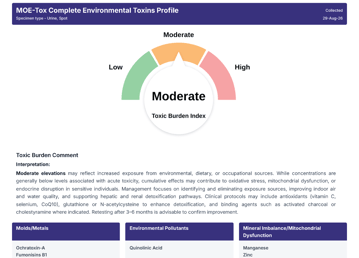
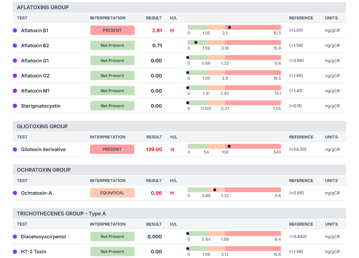
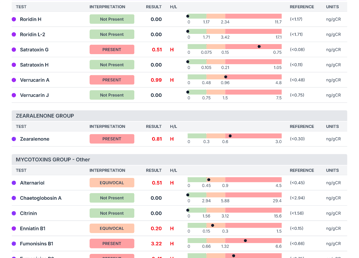
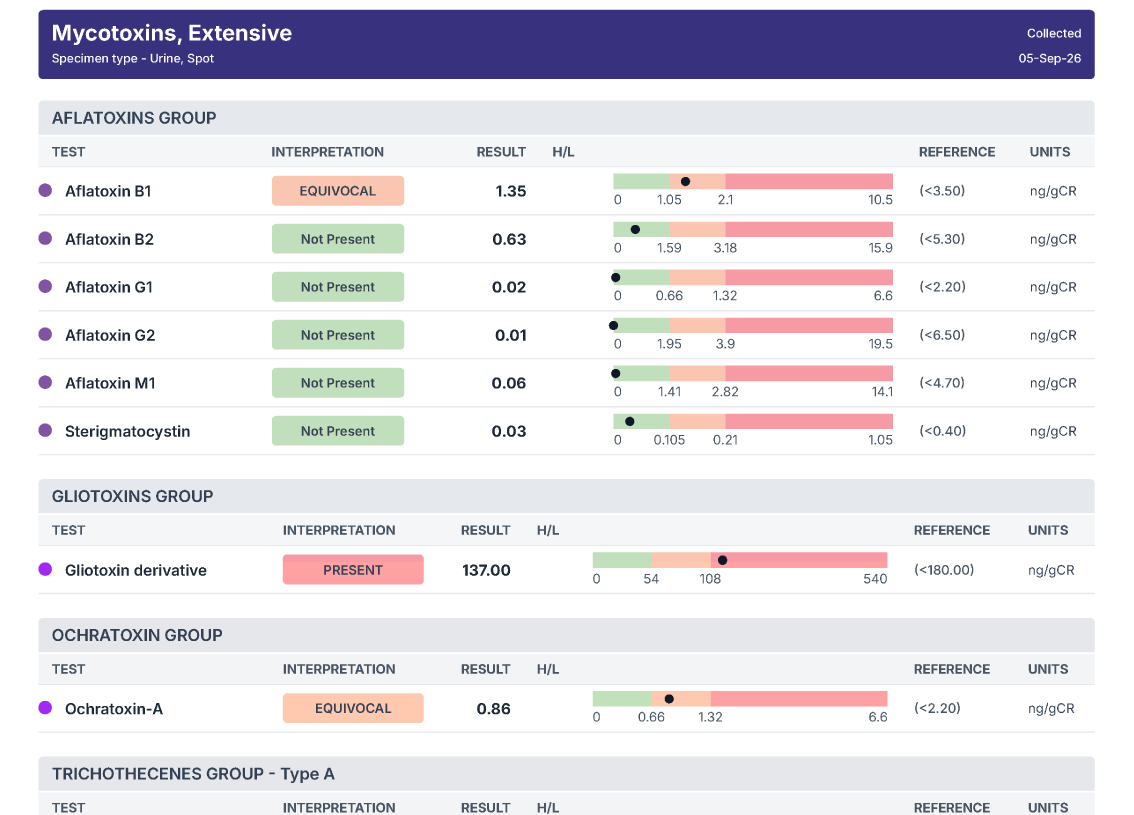
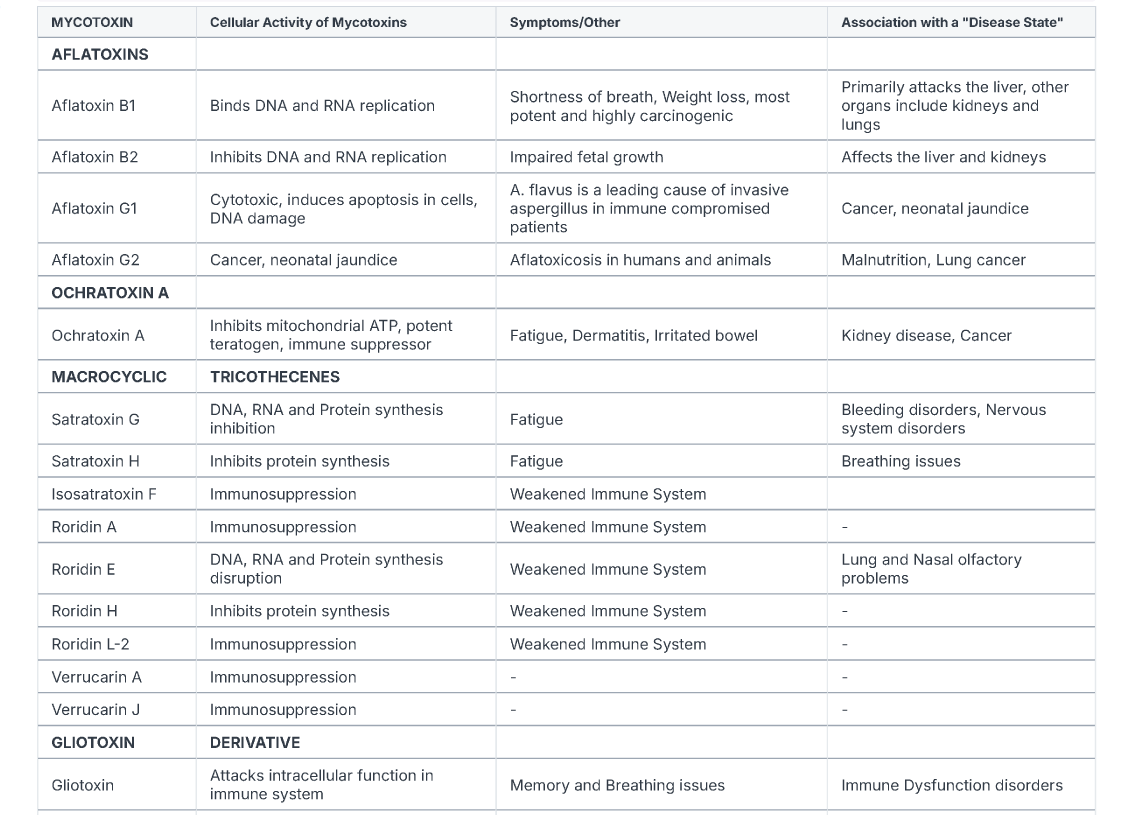
Every toxin workup comes back to two questions: what is the patient carrying, and how is the body coping? MOE-Tox Complete answers both from one urine collection. It reports 31 mycotoxins in 8 groups, 22 toxic metals and 18 minerals, 45+ environmental chemicals including phthalates, parabens, bisphenols, glyphosate, PFAS, and solvents, and 120+ organic acids grouped by pathway, along with a Toxic Burden Index, priority findings, and a Nutrition Guide. Dr. Adrian compares it with three other panels. Mycotoxins, Extensive reports the same 31 mycotoxins on their own. All-Tox includes every exposure marker but no organic acids. The MOE-Tox Profile pairs 16 mycotoxins reported by group with environmental chemicals and the full organic acids, but no metals. She then turns to the patient in front of you: the clinical clues that put toxins on the differential, how mold allergy, mold colonization, and mold toxin illness differ, why mycotoxins impair the very pathways the body uses to clear them, and which symptoms and exposure histories point toward chemicals, metals, or functional testing. She closes with how to prepare patients for collection and how to explain, in plain language, why testing leads to a more efficient and effective treatment plan.
Key Takeaways:
- Separate exposure from function. Ask what the patient is carrying and how the body is coping. Direct measurements of mycotoxins, metals, and environmental chemicals answer the first. Organic acids, which show how well metabolic pathways are running rather than which toxin is present, answer the second.
- Know what one report covers. Review the MOE-Tox Complete report, from the Toxic Burden Index and priority findings on page one through the mycotoxin, metal and mineral, environmental chemical, and organic acid sections, Nutrition Guide, and interpretive comments.
- Choose the panel by the question. Use Mycotoxins, Extensive when mold is the only question or for retesting. Use All-Tox when exposures are likely, metals are possible, and function is already assessed. Use the MOE-Tox Profile for functional symptoms with a mold or chemical history when metals are unlikely. Use MOE-Tox Complete for complex, multi-system illness with an unclear source.
- Recognize when toxins belong on your differential. Watch for fatigue with cognitive, gut, skin, or hormonal complaints that no single diagnosis ties together; new allergies, food intolerances, chemical sensitivity, or anxiety “for no reason”; and reasonable treatment that stalls at a plateau. Understand why urinary mycotoxin testing speaks to mold toxin illness, not mold allergy or colonization.
- Take a targeted exposure history. Ask about water damage at current and past addresses, grains and food storage, work, home renovations, personal care products, and medical history such as MRI contrast, chemotherapy, implants, and dental work. Learn which histories, like smoking, welding or battery work, and contrast imaging, point toward adding metals.
- Prepare patients and explain the value. Review collection prep and shipping for single panels and combination profiles, and use plain language to show patients what testing changes: less guessing, a plan built for their physiology, and a baseline to retest against.