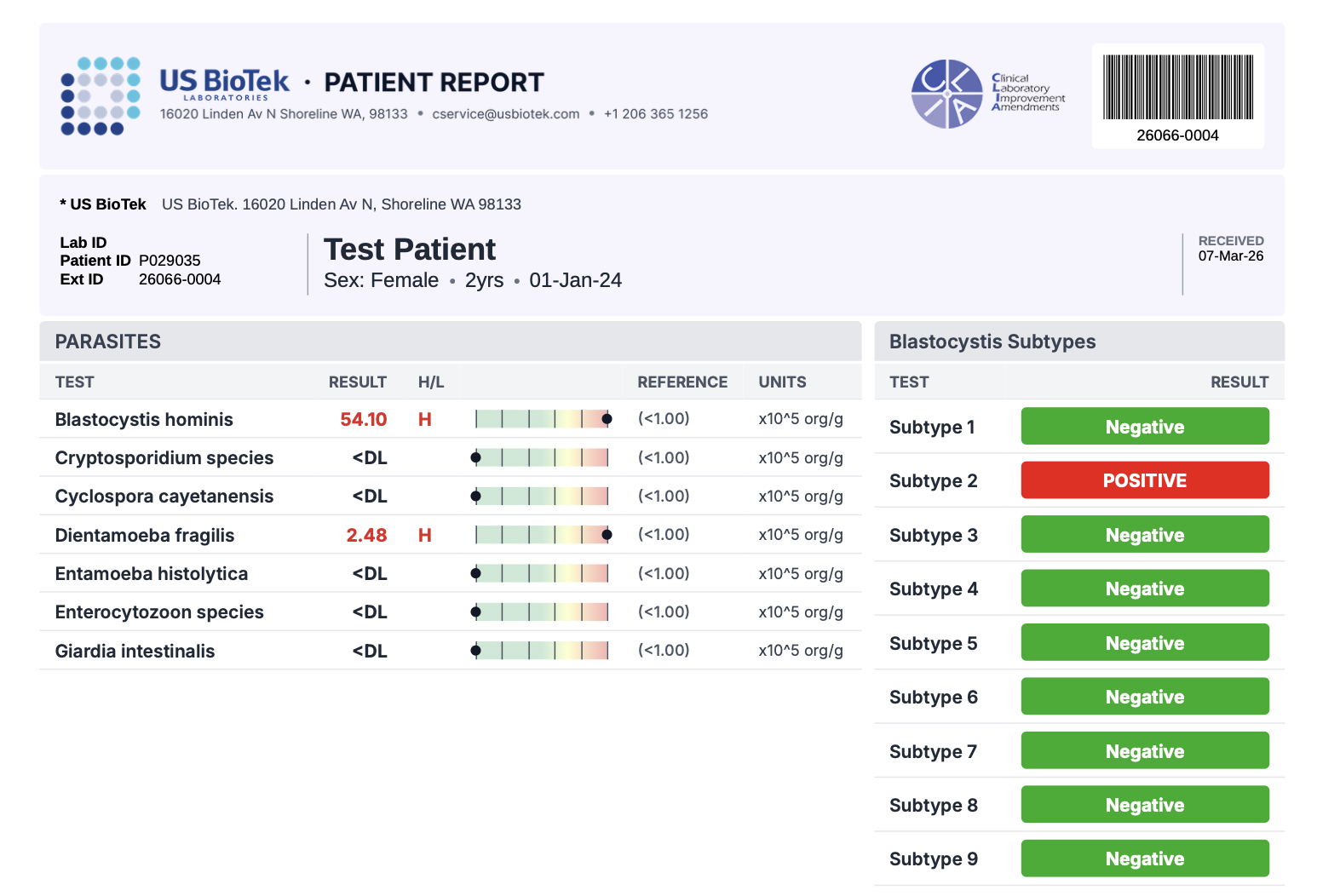
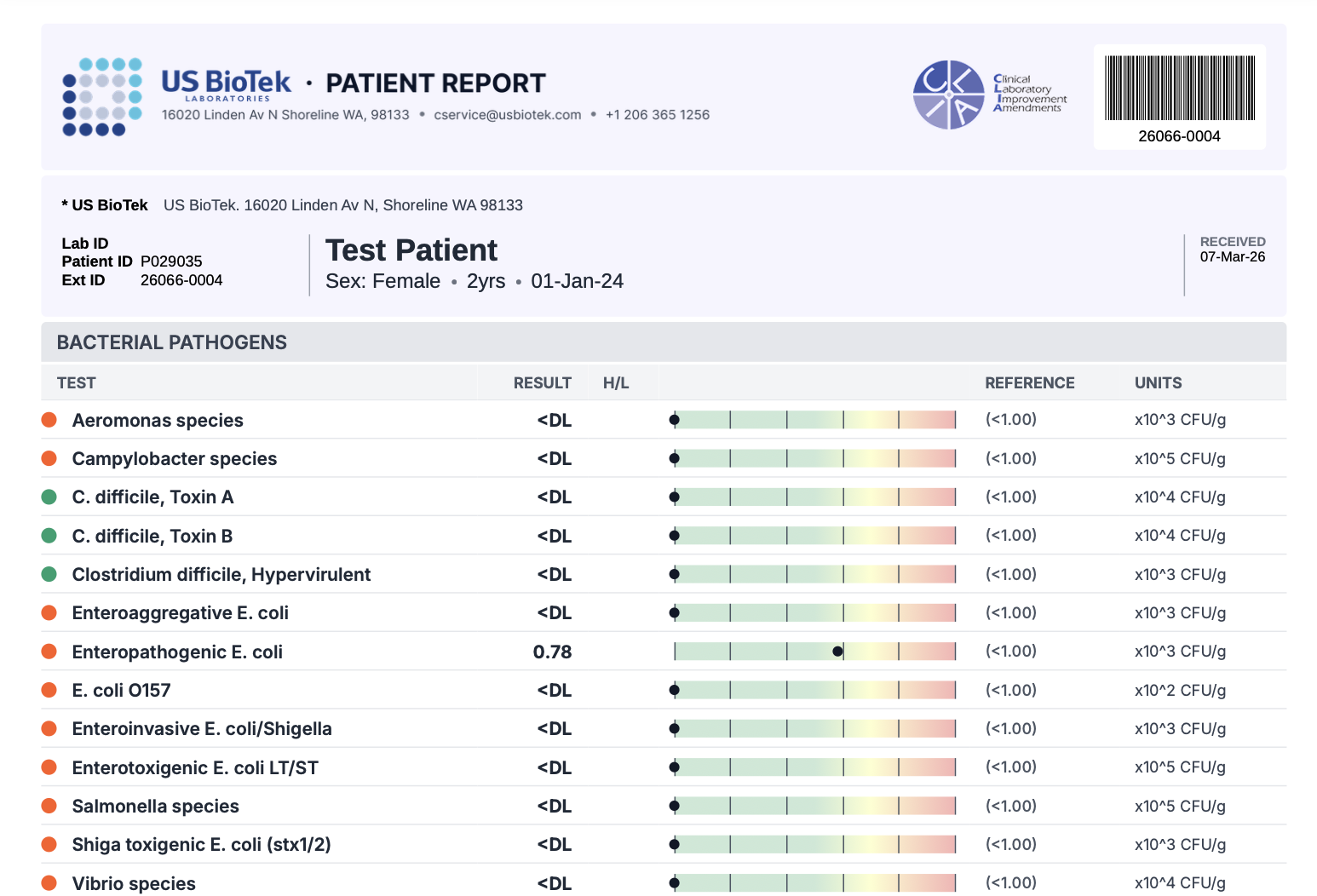
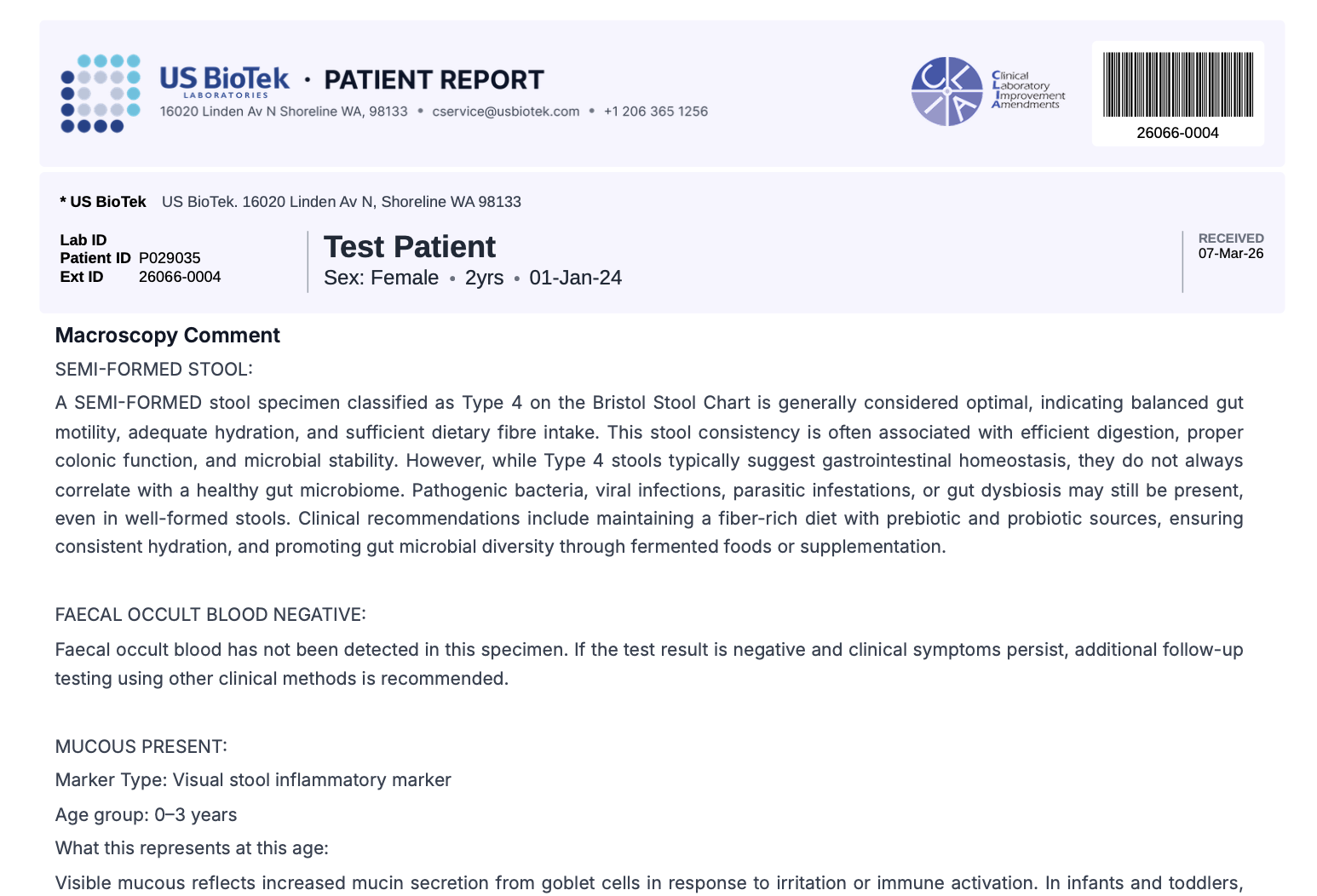
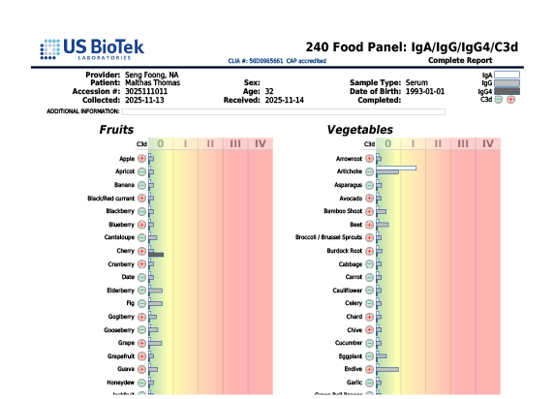
Join us for a clinical webinar on the gut-brain axis, environmental toxins, and autism spectrum disorder (ASD), tailored for naturopathic and functional medicine practitioners. Dr. Onah, ND explores the bidirectional relationship between GI dysfunction and neurodevelopmental outcomes in children with ASD, explaining how gut dysbiosis, intestinal permeability, microbial imbalances, and toxic burden intersect to drive behavioral, cognitive, and immune symptoms. Learn how to use US Biotech's GI Microbiome, Environmental Toxins, and Organic Acids panels, including the new pediatric-specific Baby Biome panel, to identify root causes and develop individualized treatment protocols in clinical practice.
Key Takeaways:
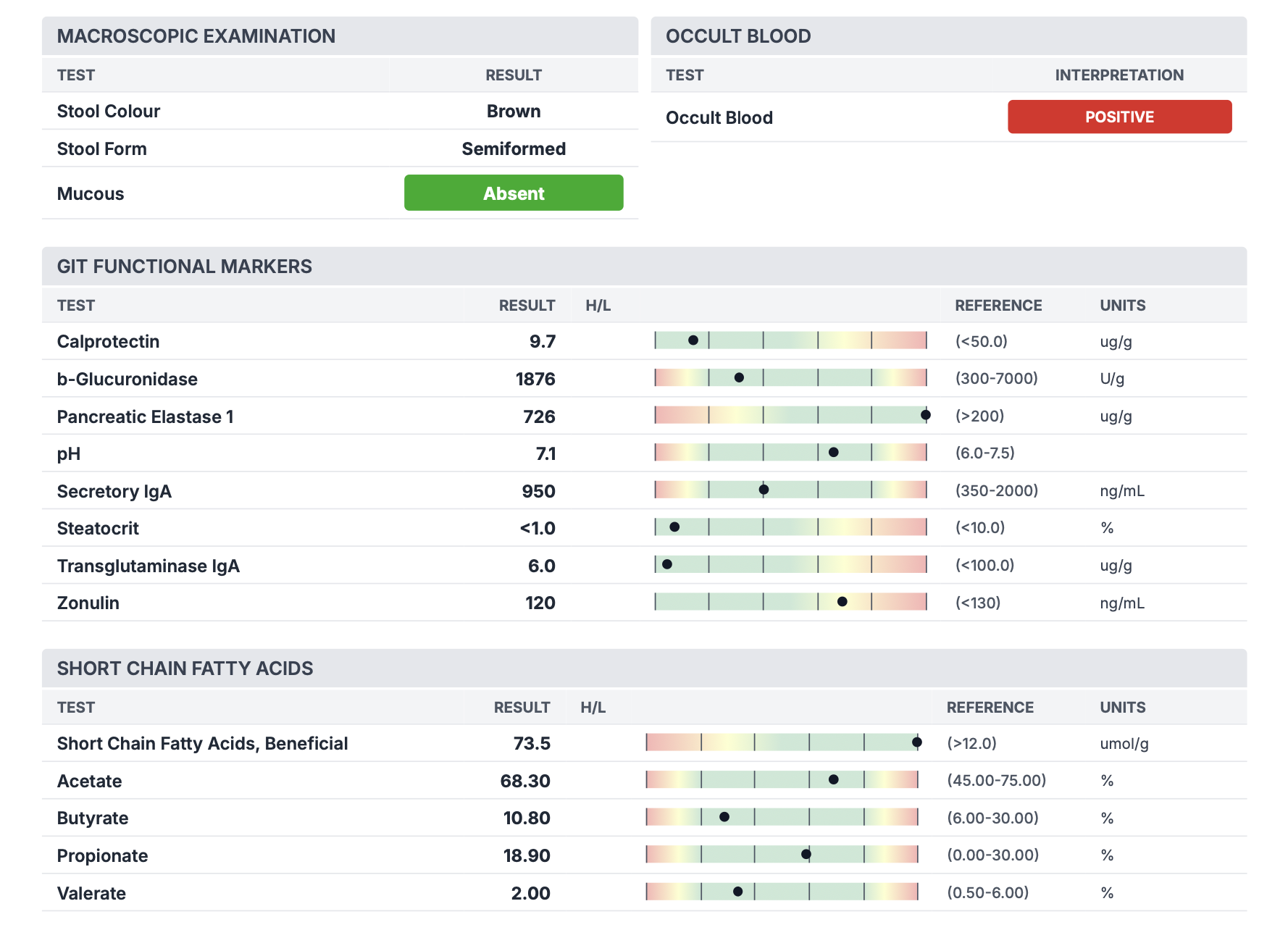
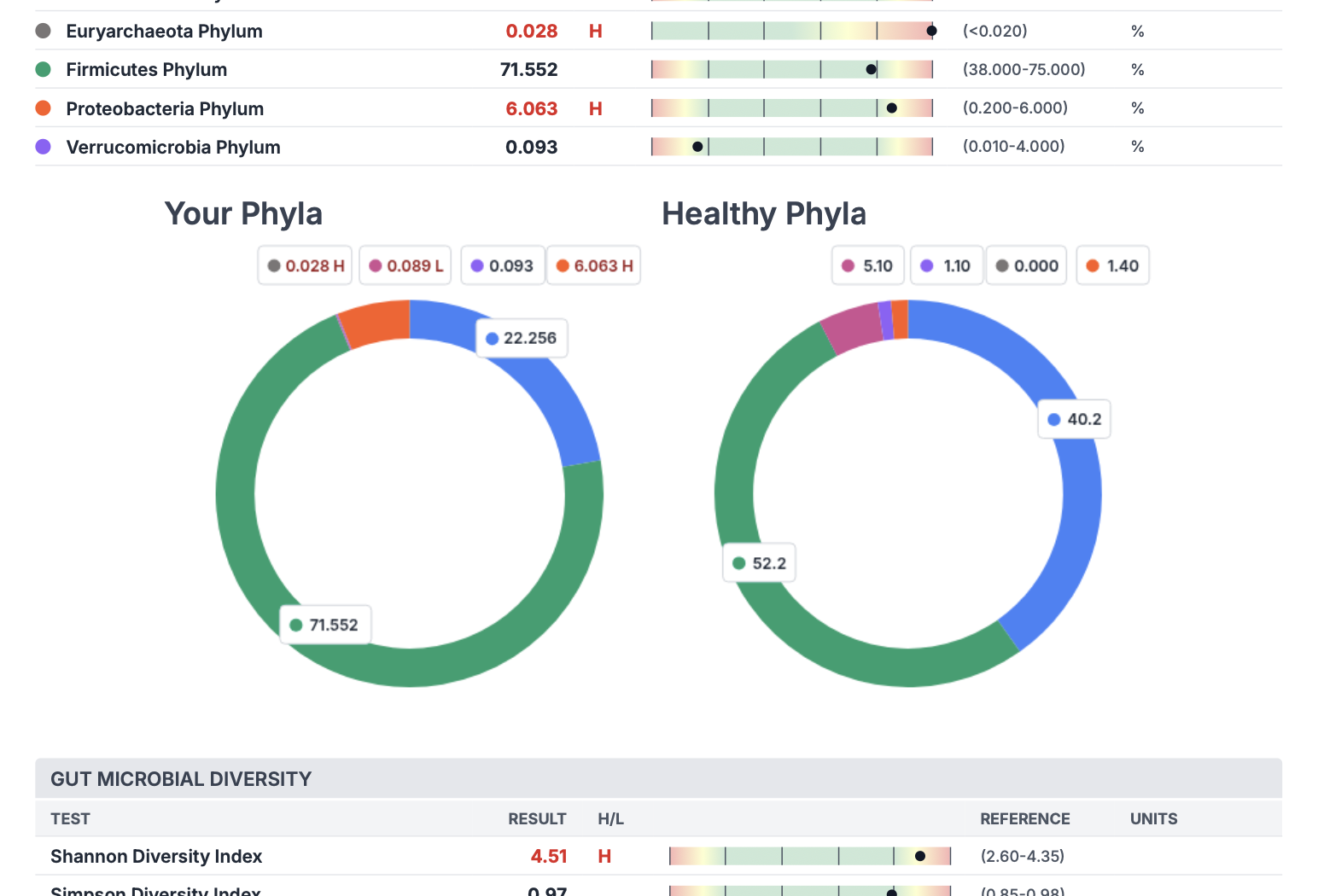
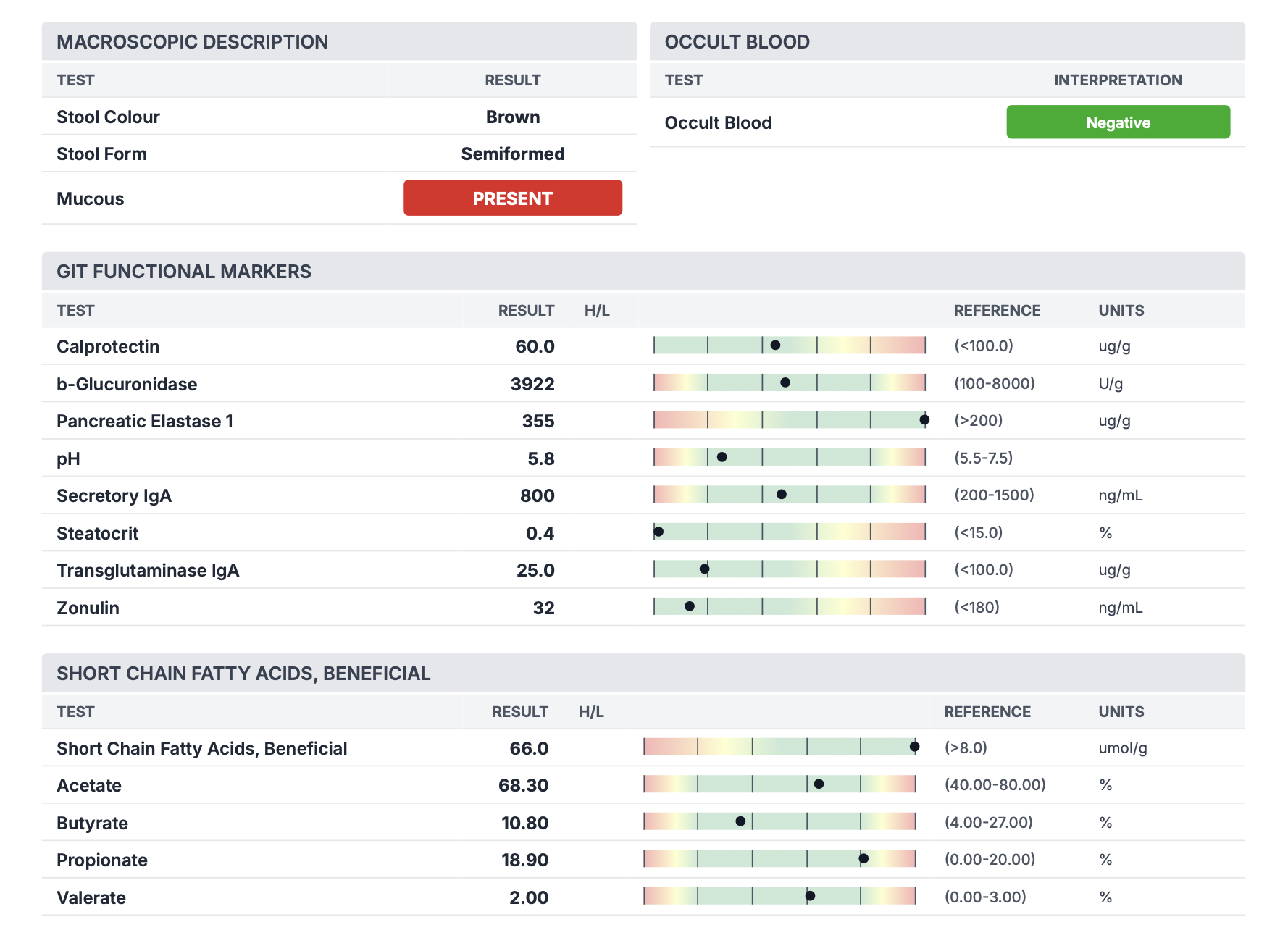
- Understand how gut dysbiosis in ASD drives behavioral symptoms through disrupted short-chain fatty acid production, elevated propionic acid, leaky gut, and imbalances in secretory IgA, zonulin, and calprotectin.
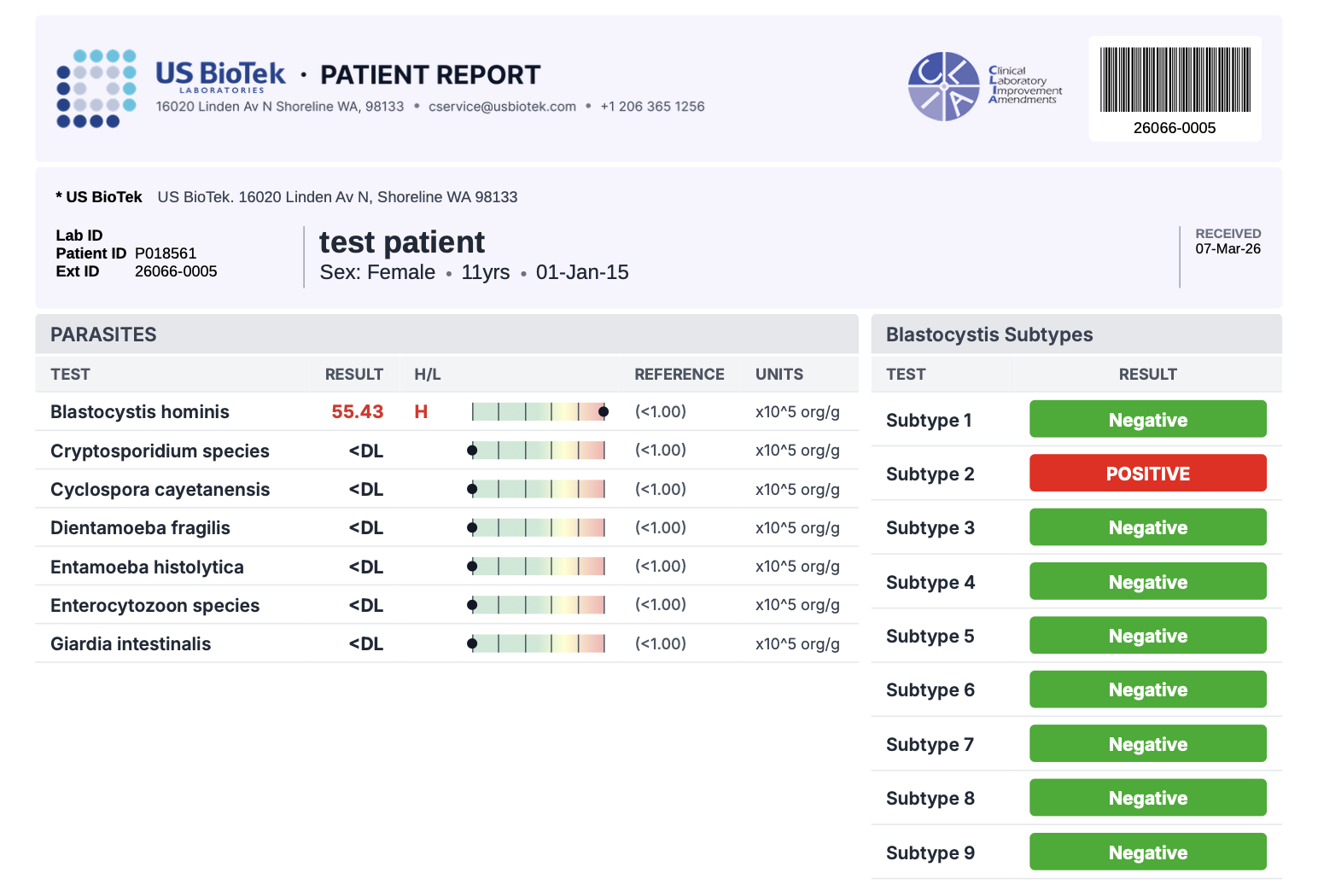
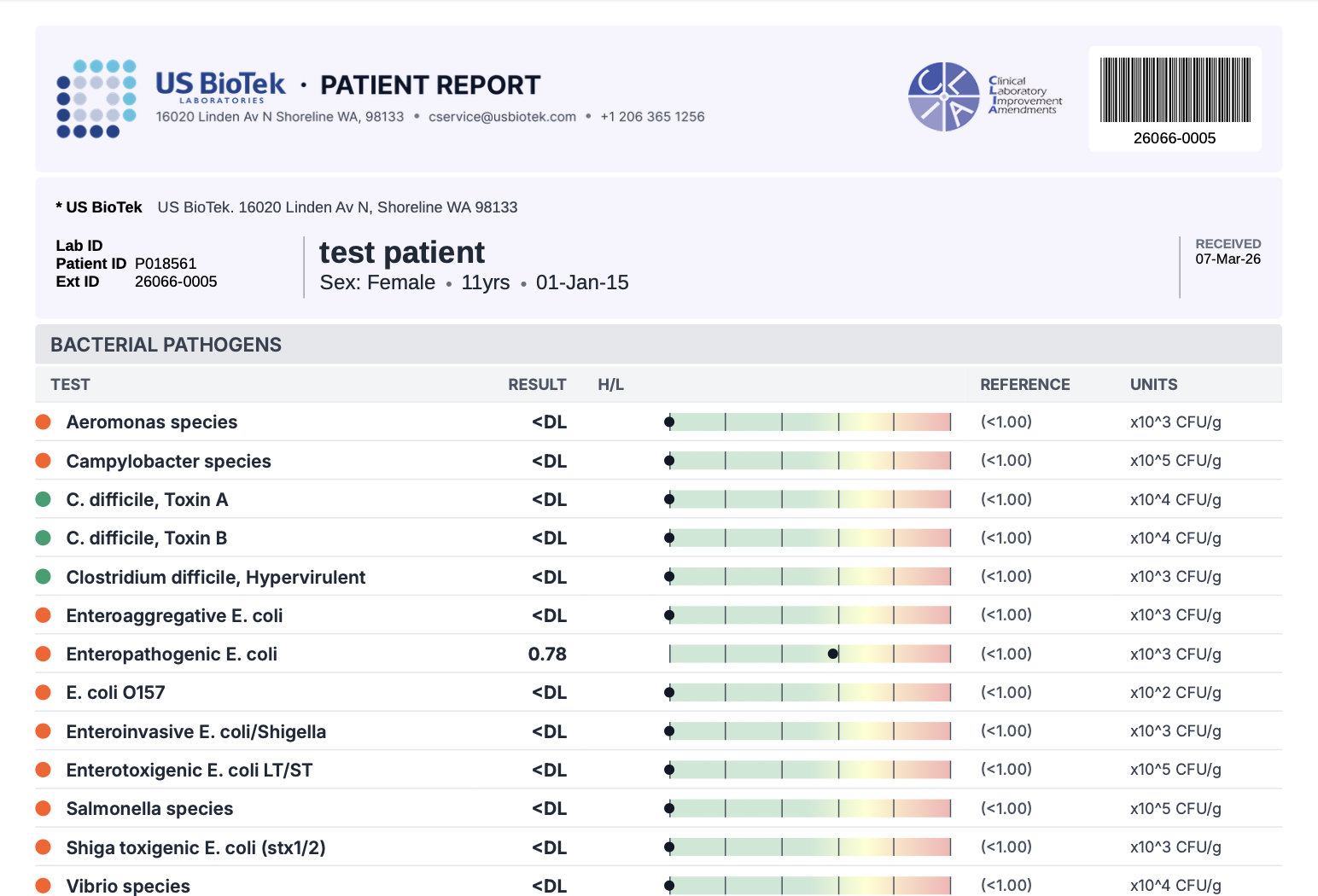
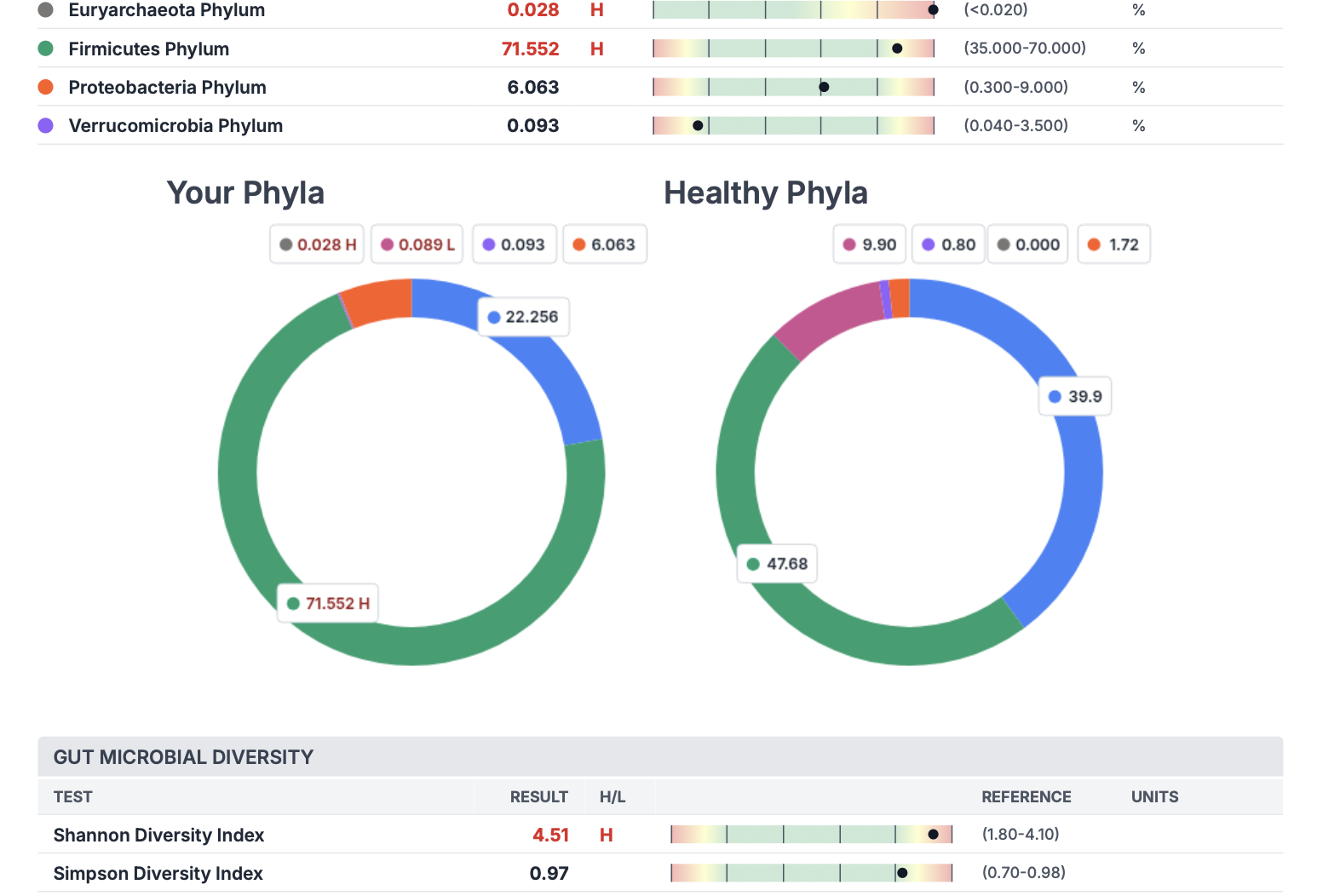
- Identify pathogenic overgrowths common in ASD, including Clostridium, Candida, and SIBO producers, and recognize their clinical and behavioral presentations such as aggression, stimming, toe walking, and sleep disruption.
- Recognize how heavy metals (aluminum, lead, mercury, cadmium) and environmental pollutants (BPAs, phthalates, pesticides, PFAS, glyphosate) impair gut barrier integrity, deplete beneficial bacteria, increase neuroinflammation, and contribute to autism symptom severity.
- Implement a stepwise integrative protocol using targeted GI and toxin testing, dietary modification, biofilm disruptors, detoxification support (NAC, glycine), probiotics, immune modulators, and nutritional repletion (zinc, cod liver oil, butyrate) to address root-cause GI and toxic drivers in pediatric ASD patients.