Join us for a clinical webinar on chronic inflammatory response syndrome (CIRS) and toxic mold illness, designed for naturopathic, functional medicine, and integrative practitioners who want a clear, repeatable framework for one of the most under-diagnosed drivers of chronic illness. Led by Dr. Dean Mitchell, MD — board-certified allergist, pioneer in holistic immunology, and founder of Mitchell Medical Group — this session distills more than a decade of CIRS and mold-toxicity practice (shaped by mentorship from Dr. Neil Nathan and Dr. Jill Crista) into a practical, patient-tolerable protocol you can apply immediately. CIRS now accounts for roughly half of Dr. Mitchell's caseload, and he walks through exactly how he identifies it, confirms it, and reverses it.
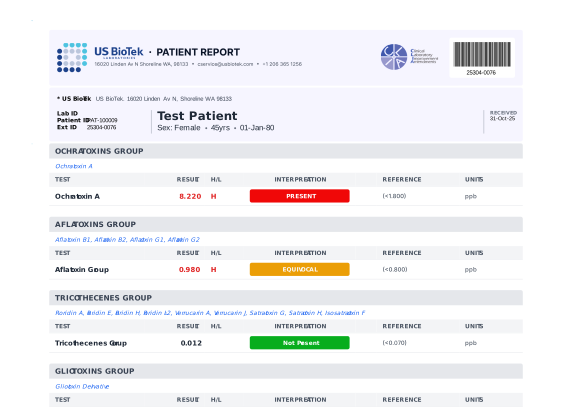
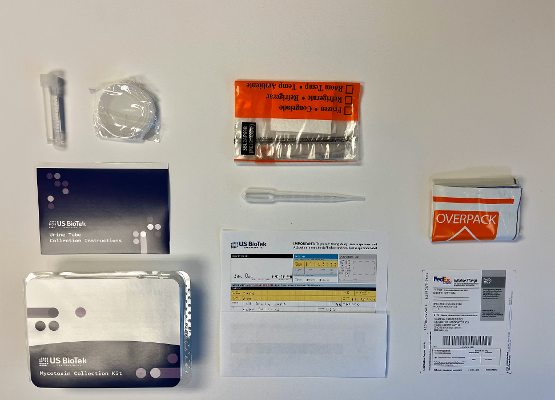
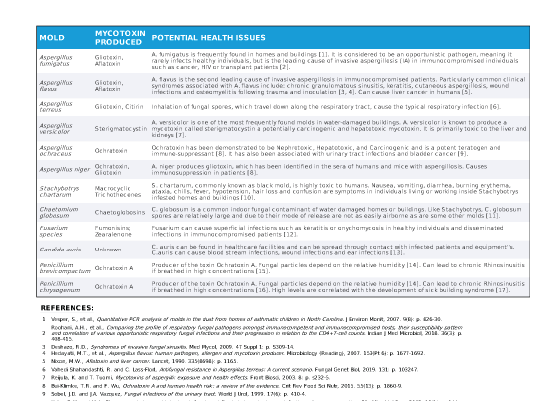
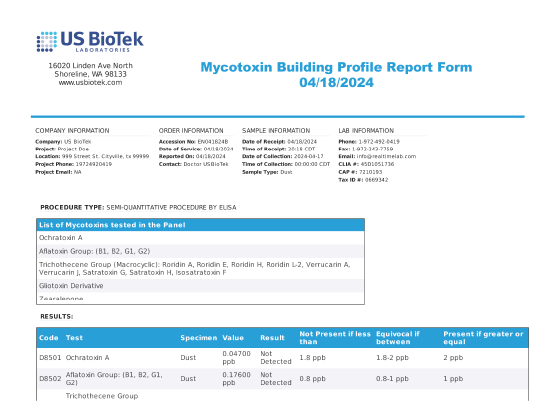
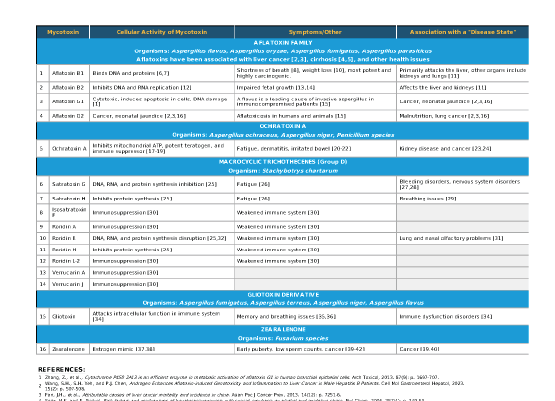
We cover how mold and mycotoxin exposure trigger CIRS, why hallmark symptoms like chronic fatigue, brain fog, light sensitivity, and mast cell activation are so frequently missed, and precisely how to confirm the diagnosis. Dr. Mitchell breaks down a three-tier evaluation — the VCS screening test, inflammatory biomarkers, and the urine mycotoxin testing he considers the most definitive — and shows how to read results across the five major mycotoxin categories (ochratoxin A, aflatoxin, trichothecenes, gliotoxin, and zearalenone). He then maps out his step-by-step treatment program — rebuilding patient resilience, sequencing binders, the antifungal "fight phase," nasal-sinus care, and home mold remediation — using real patient cases that show mycotoxin levels falling with treatment and climbing again with re-exposure.
Key Takeaways:
- Spot the symptoms. Recognize the hallmark signs of CIRS — chronic fatigue, brain fog, light and EMF sensitivity, and mast cell activation — that point to toxic mold exposure.
- Evaluate the right way. Apply Dr. Mitchell's three-tier workup: the VCS screening test, inflammatory biomarkers, and urine mycotoxin testing as the most definitive confirmation.
- Read the mycotoxins. Interpret the five key categories — ochratoxin A, aflatoxin, trichothecenes, gliotoxin, and zearalenone — by counting positive markers and their multiples above range.
- Build resilience first. Start treatment with environmental avoidance and foundational support: sleep, bowel regularity, hydration, IV nutrient therapy, and the mold/anti-candida diet.
- Sequence the binders. Layer in bentonite clay, activated charcoal, chlorella, and Welchol one at a time to mobilize stored toxins while protecting sensitive patients.
- Finish with the fight phase. Clear deep reservoirs with the antifungal itraconazole and targeted nasal-sinus treatment.
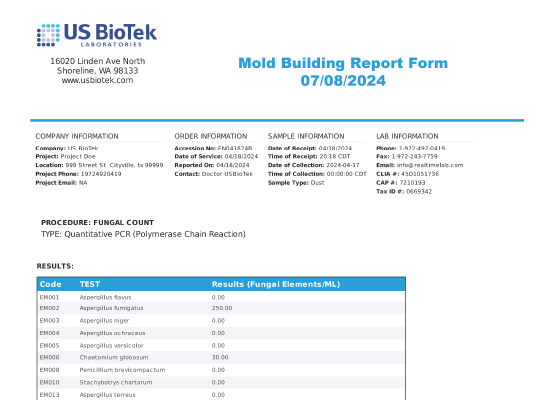
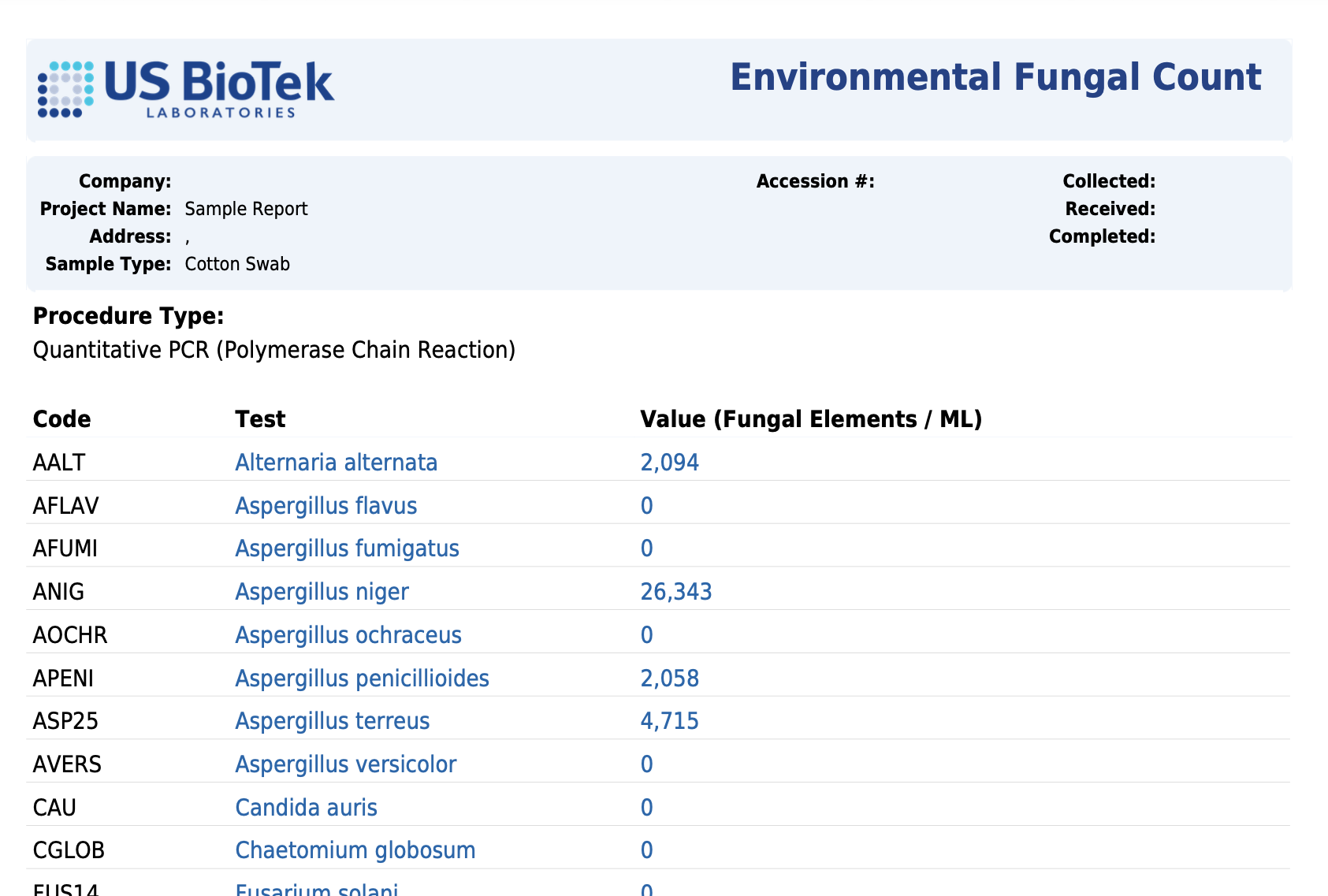
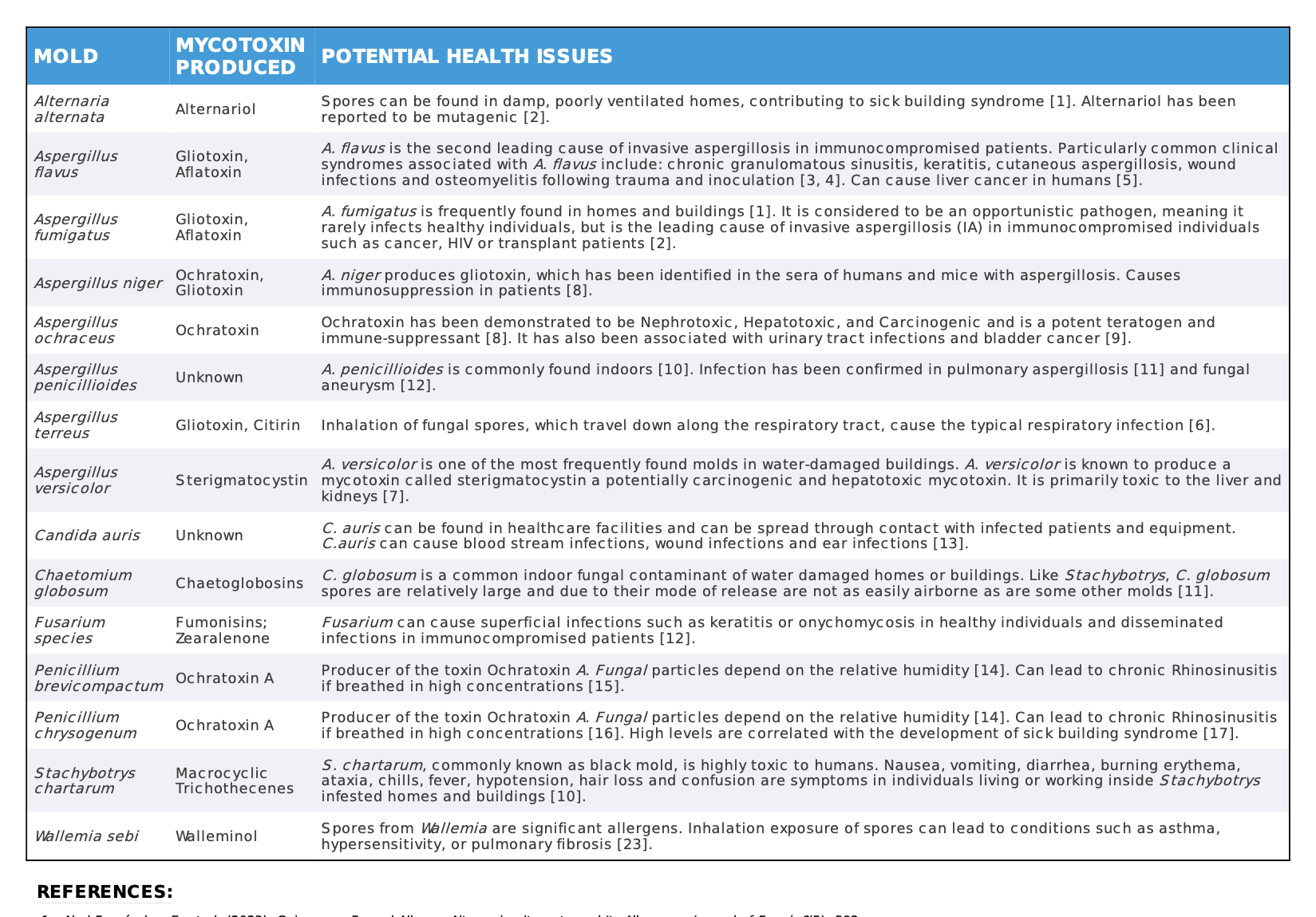
- Confirm the source. Guide patients through home evaluation — mold plates, ERMI/HERTSMI-2 dust testing, and professional inspection — and explain why remediation and re-testing are essential to lasting recovery.