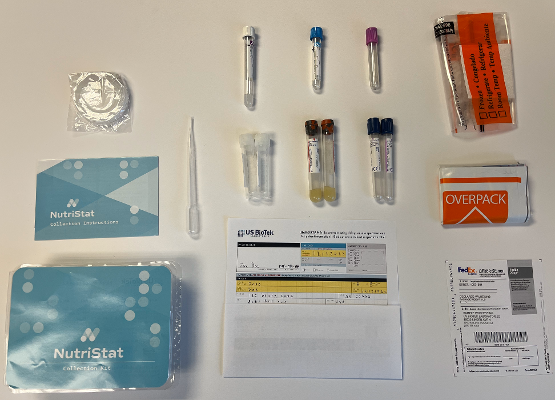
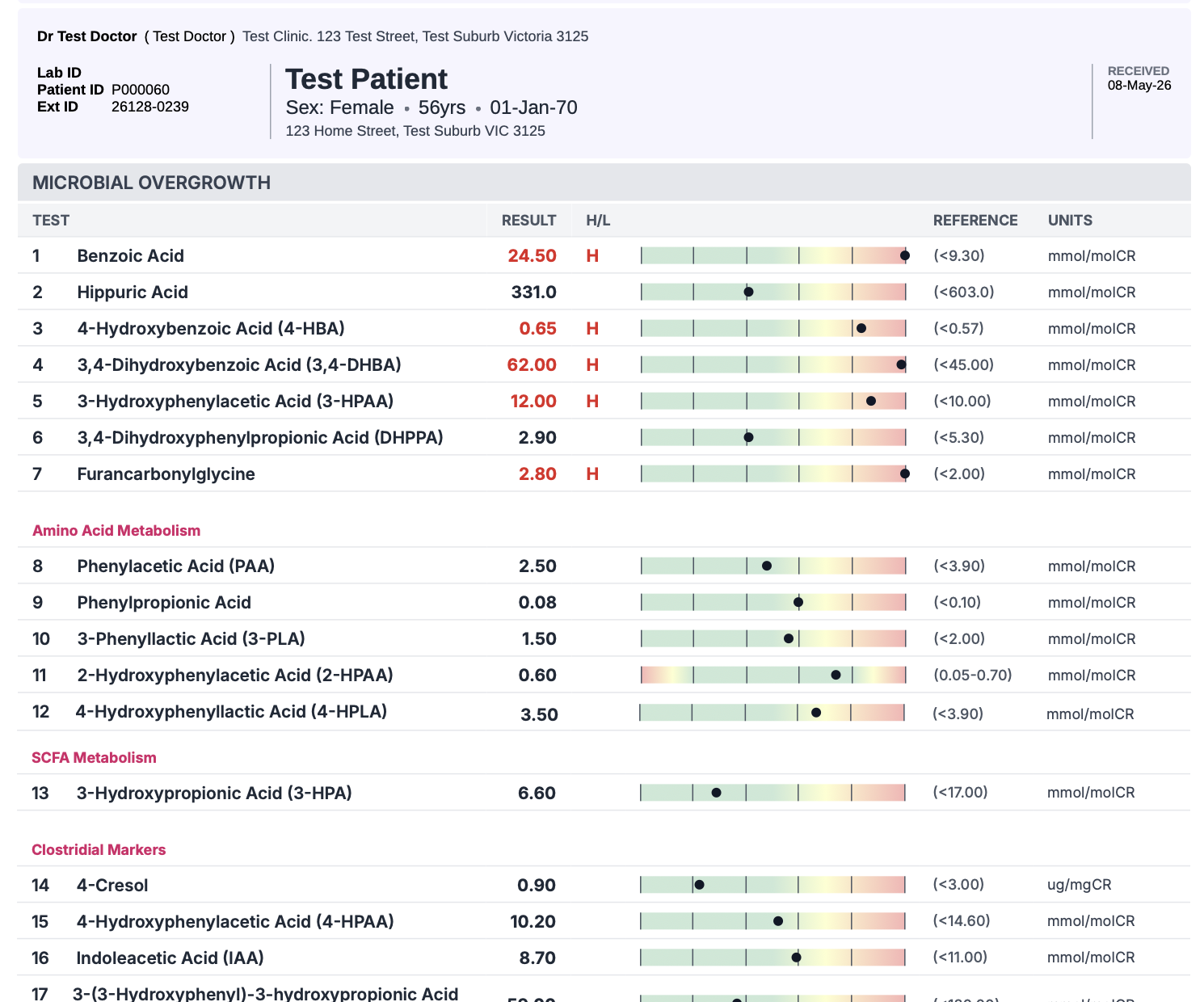
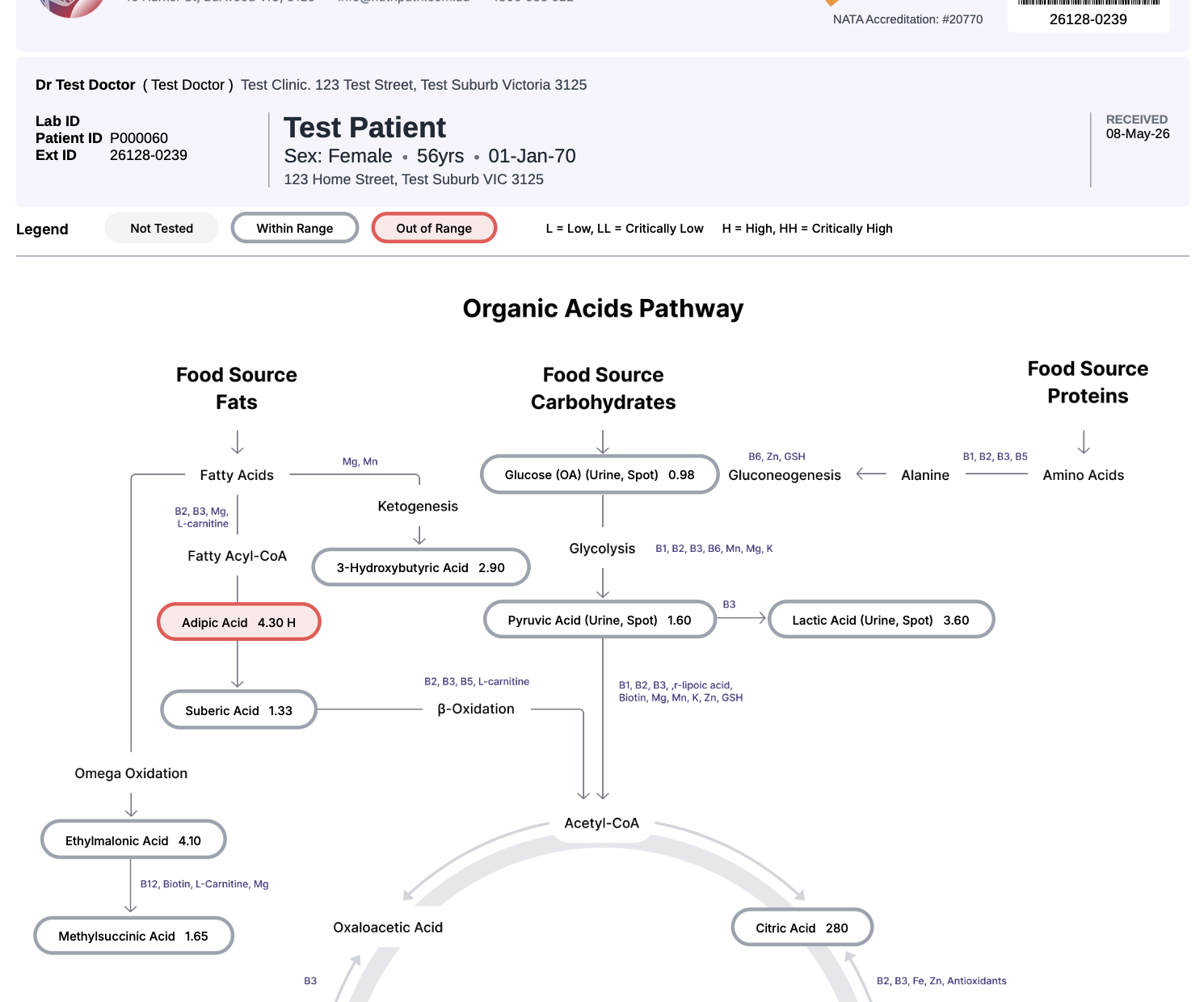
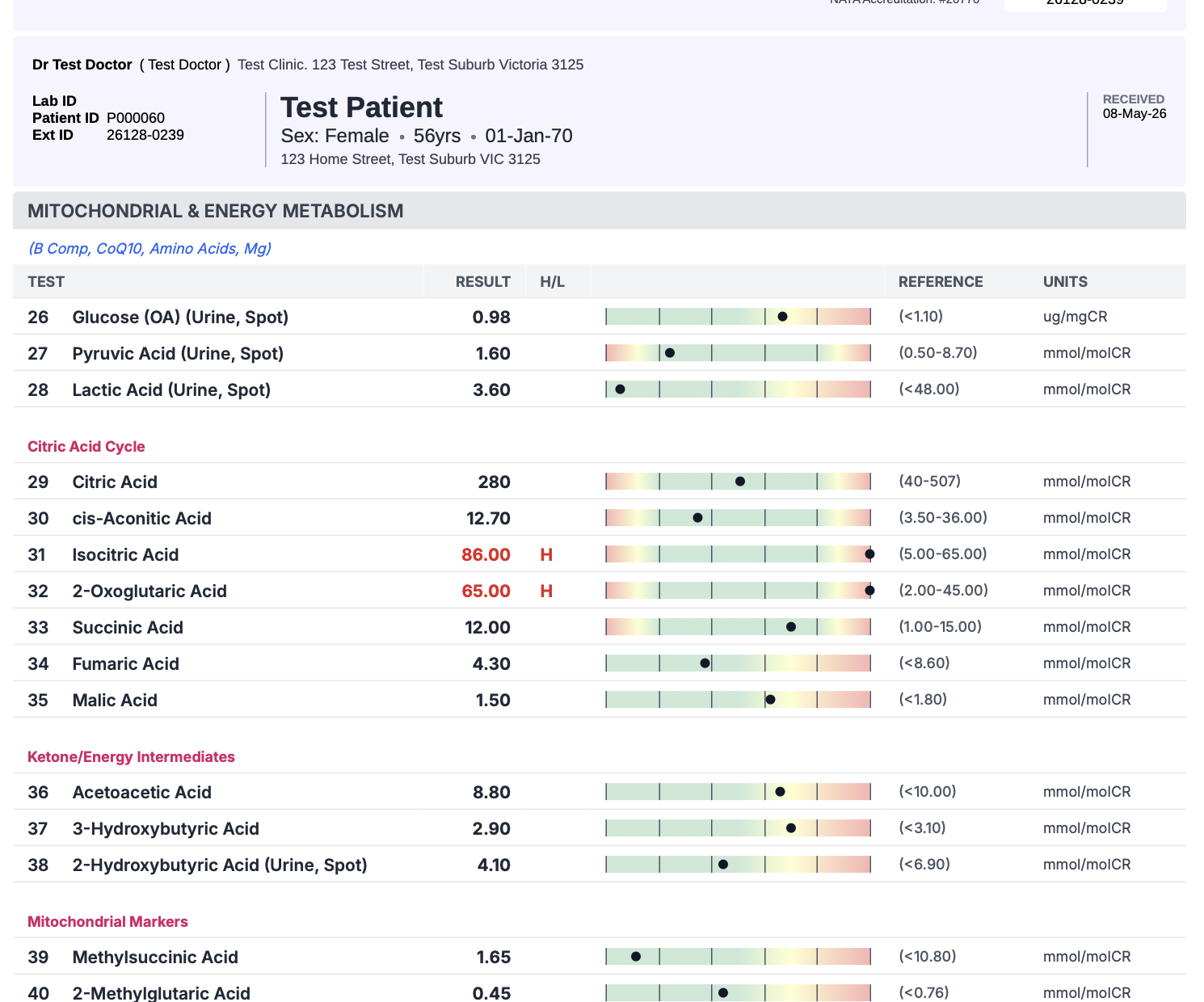
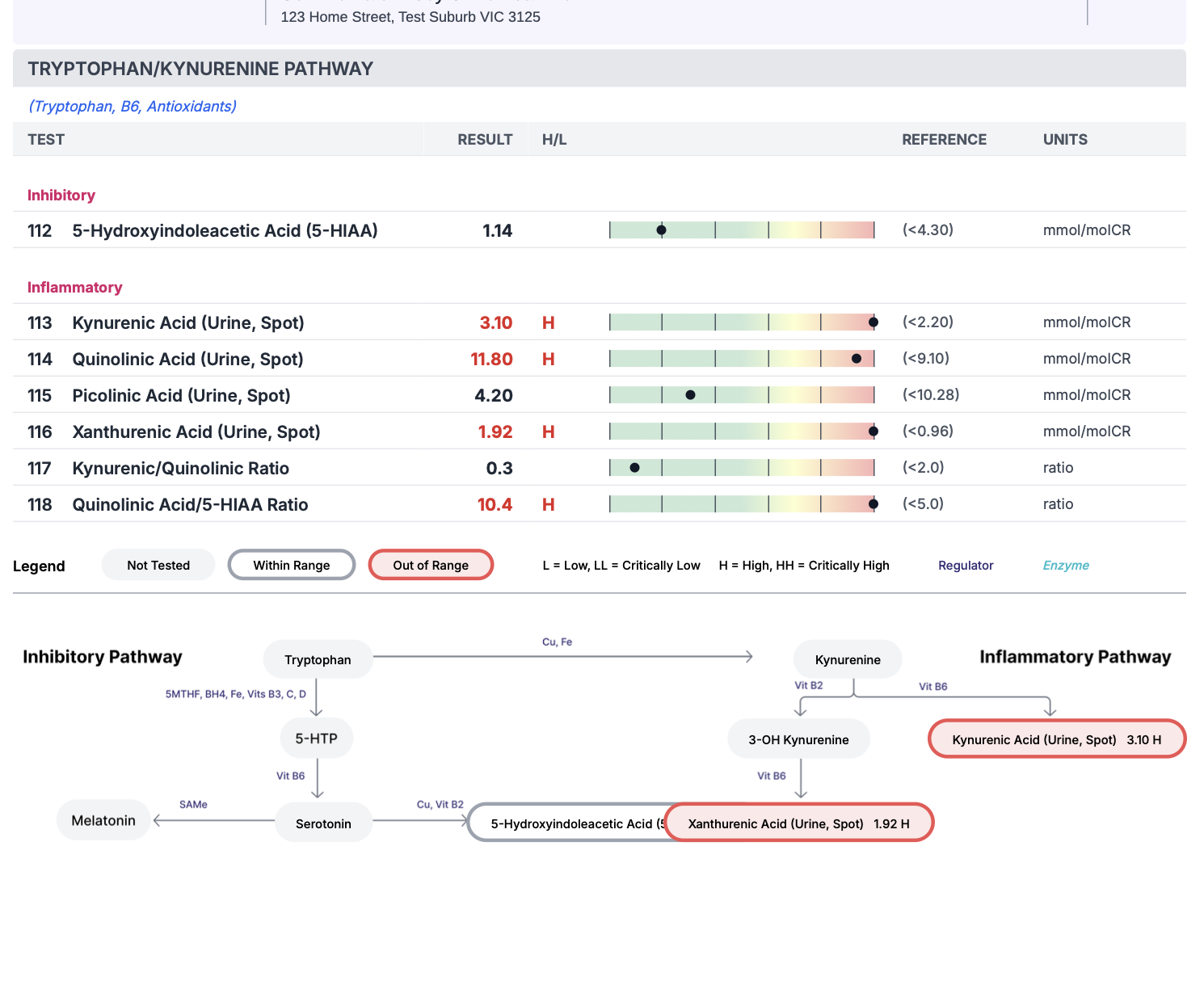
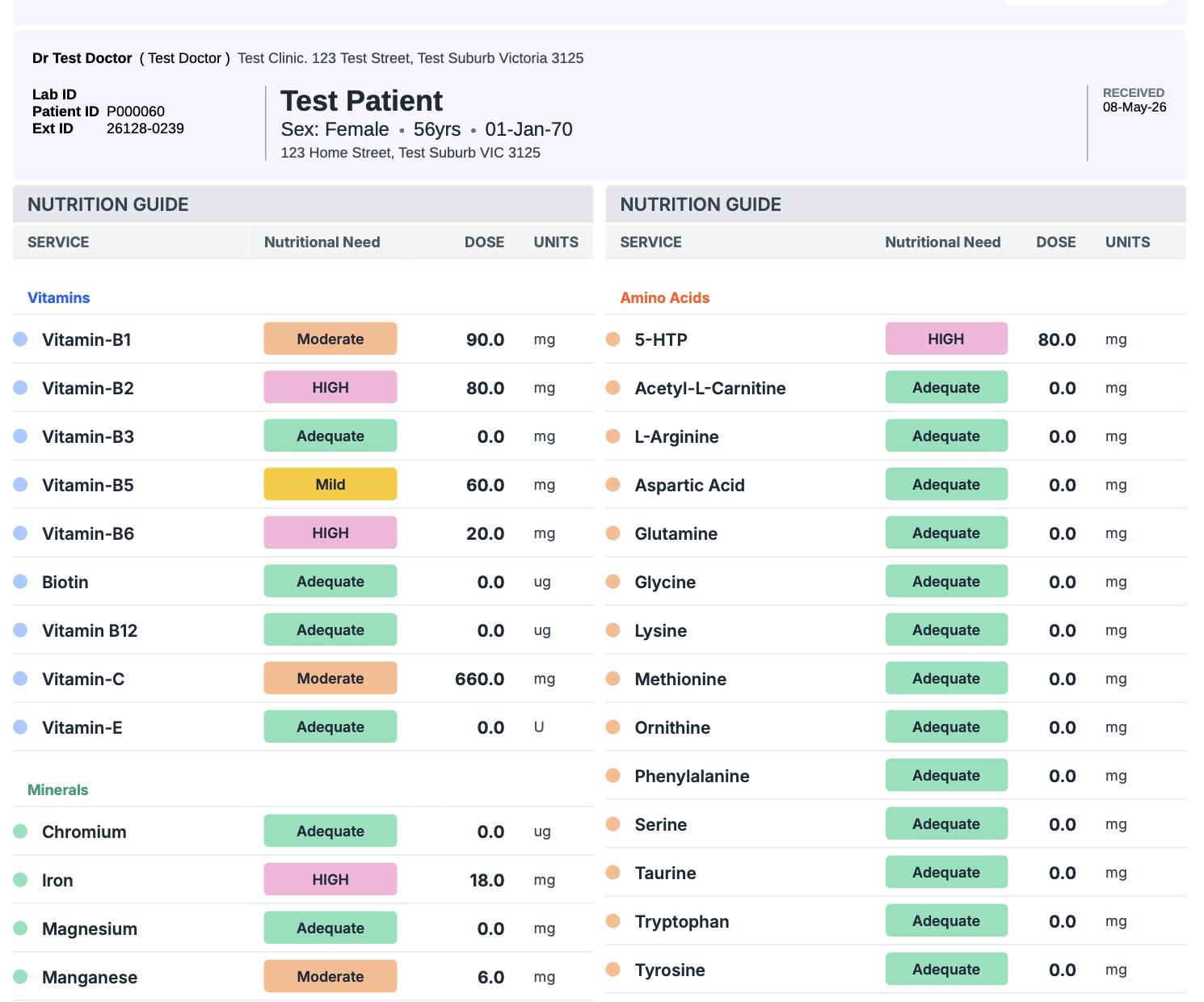
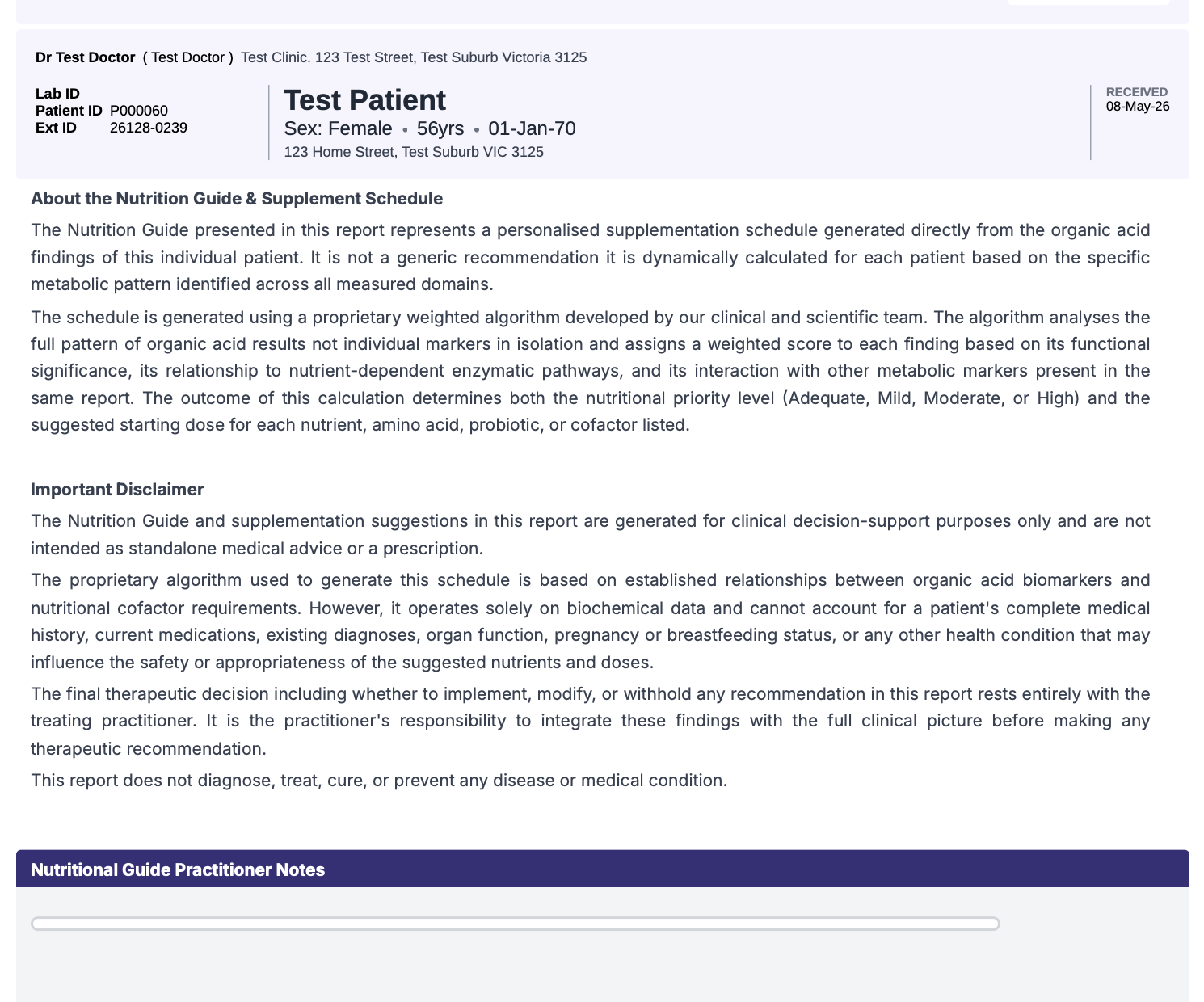
Join us for a clinical webinar on insulin resistance and nutritional status assessment, designed for naturopathic, functional medicine, and integrative practitioners who want a deeper, more complete picture of metabolic dysfunction than standard labs provide. Led by Dr. Racheal Onah, ND MRN — licensed naturopathic doctor, Medical Advisor at US BioTek Laboratories, and specialist in chronic, metabolic, and autoimmune conditions — this session uses a real patient case to show how organic acid and nutritional testing can surface the hidden contributors driving insulin resistance long before a diagnosis is on the table.
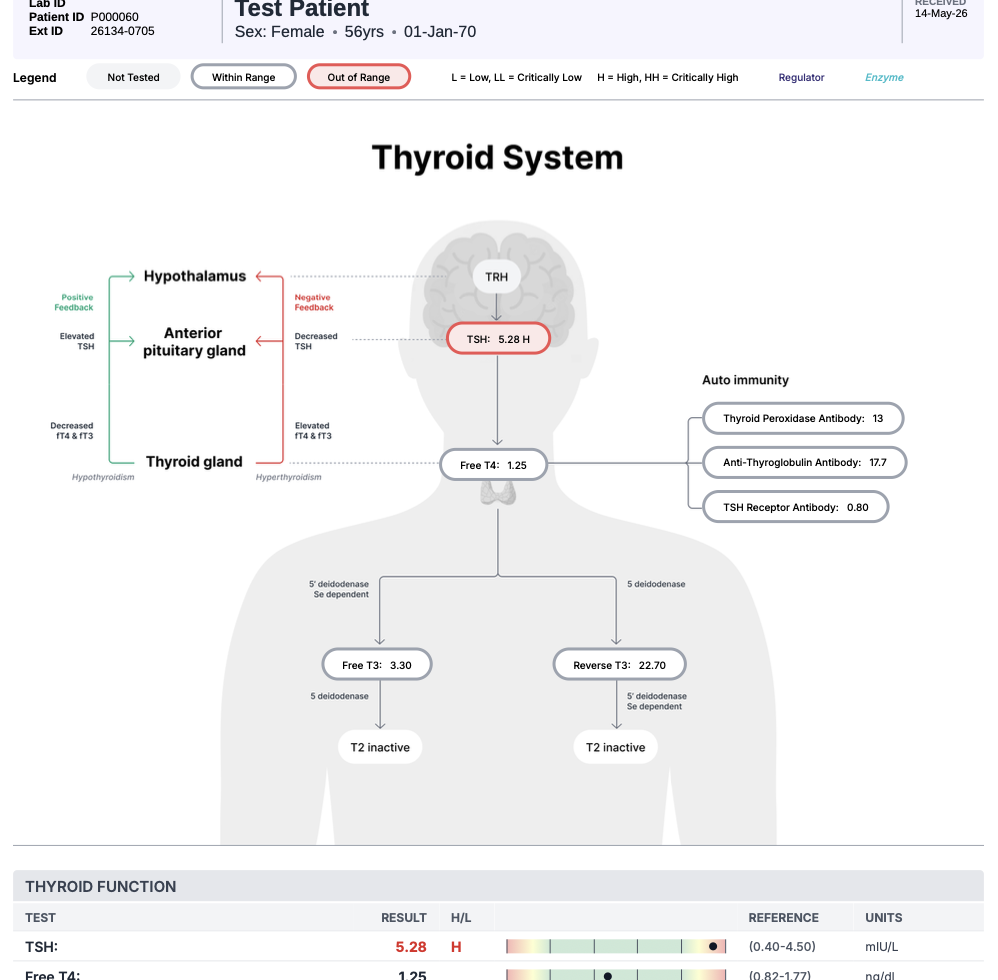
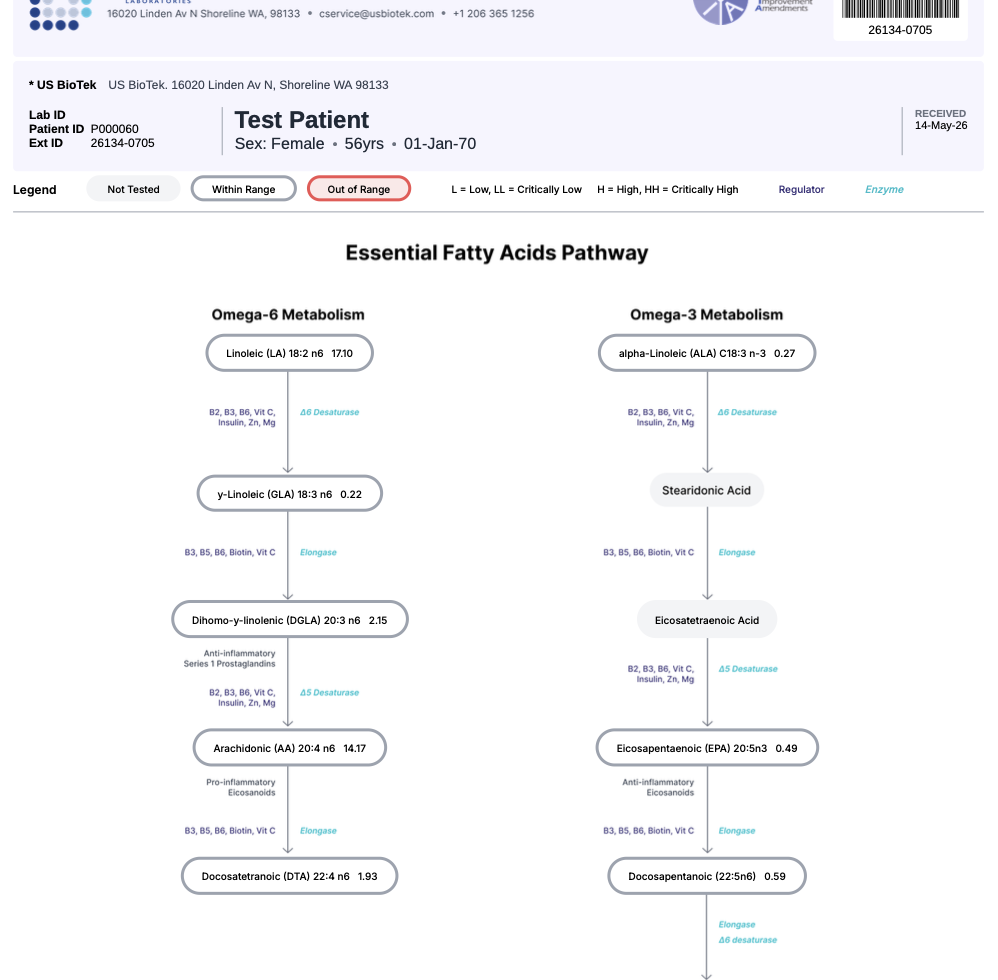
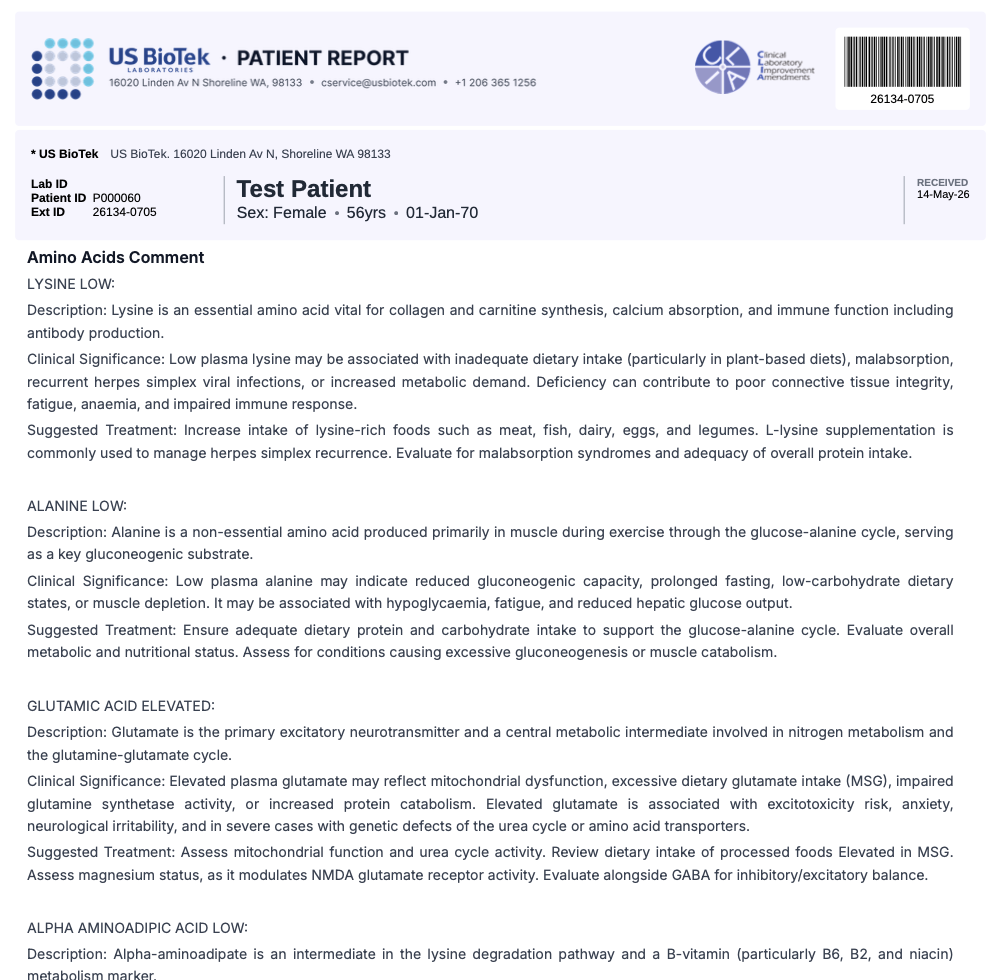
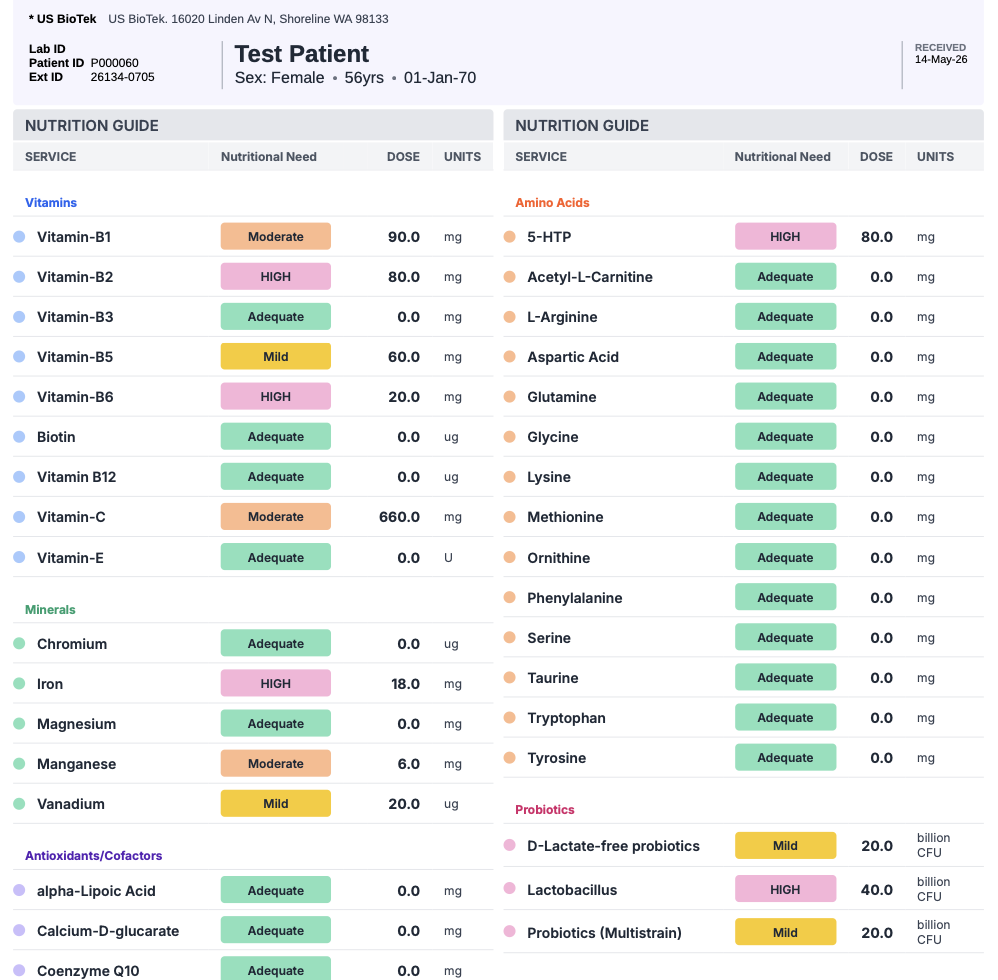
Standard bloodwork can normalize while insulin resistance progresses. Dr. Onah walks through exactly how to spot it, confirm it, and begin addressing the root causes. We cover how NutriSTAT markers across liver function, minerals, hormones, fatty acids, and organic acids each tell a piece of the metabolic story, why contributors like gut dysbiosis, heavy metal exposure, mitochondrial dysfunction, and nutritional deficiencies are so frequently overlooked, and how to read a patient's results as an integrated clinical picture rather than isolated values. Real lab findings from the case patient illustrate how markers shift across organ systems and how that pattern points toward a treatment direction.
Key Takeaways:
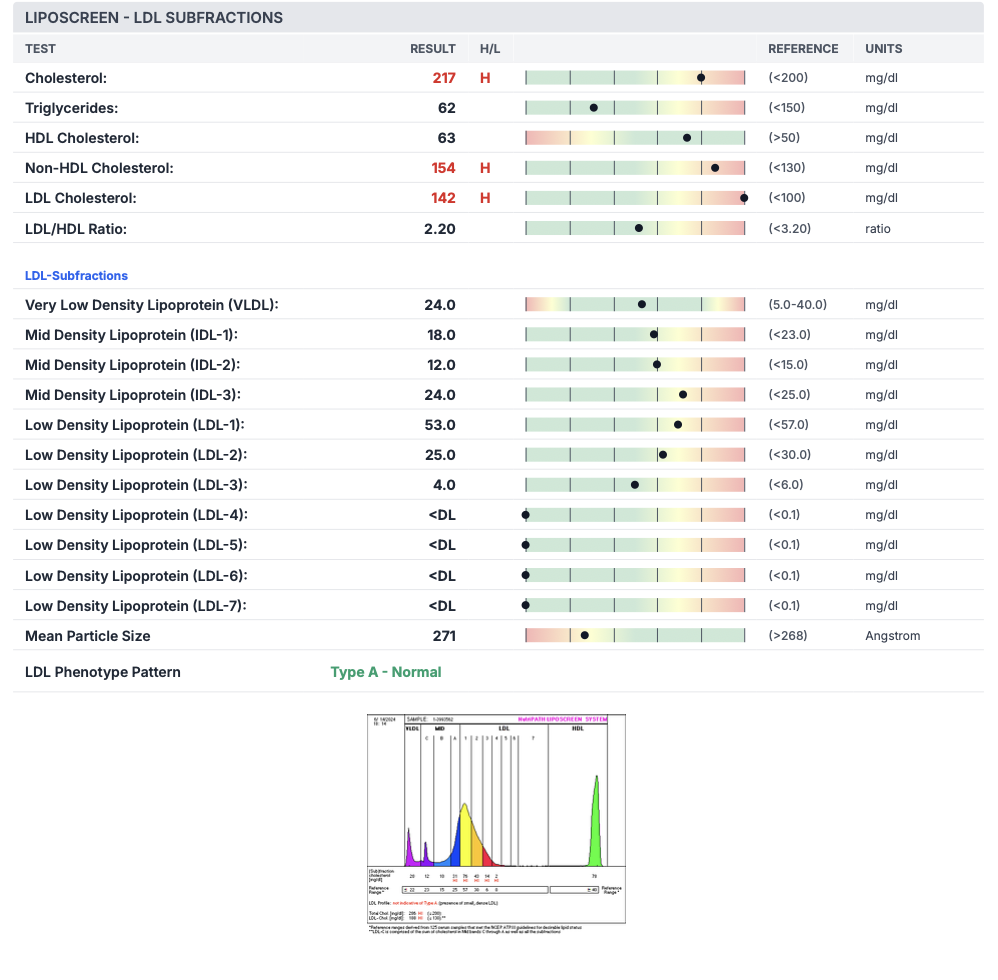
- Catch it early. Recognize the lab and clinical patterns that signal insulin resistance before fasting glucose or HbA1c become abnormal, including elevated fasting insulin, high HOMA-IR, and a TG/HDL ratio above 3.0.
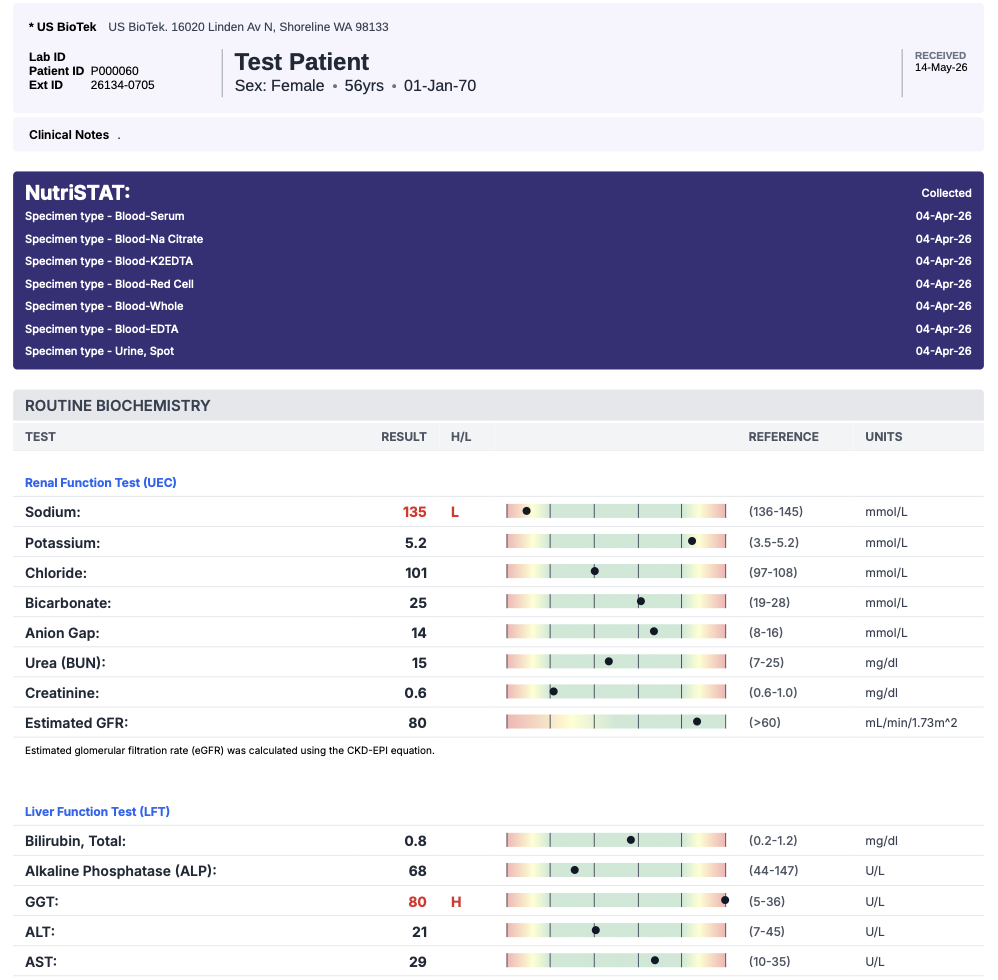
- Assess liver function as a metabolic marker. Understand how elevated GGT, ALT, and AST relate to decreased insulin sensitivity, oxidative stress, and increased T2DM and MASLD risk.
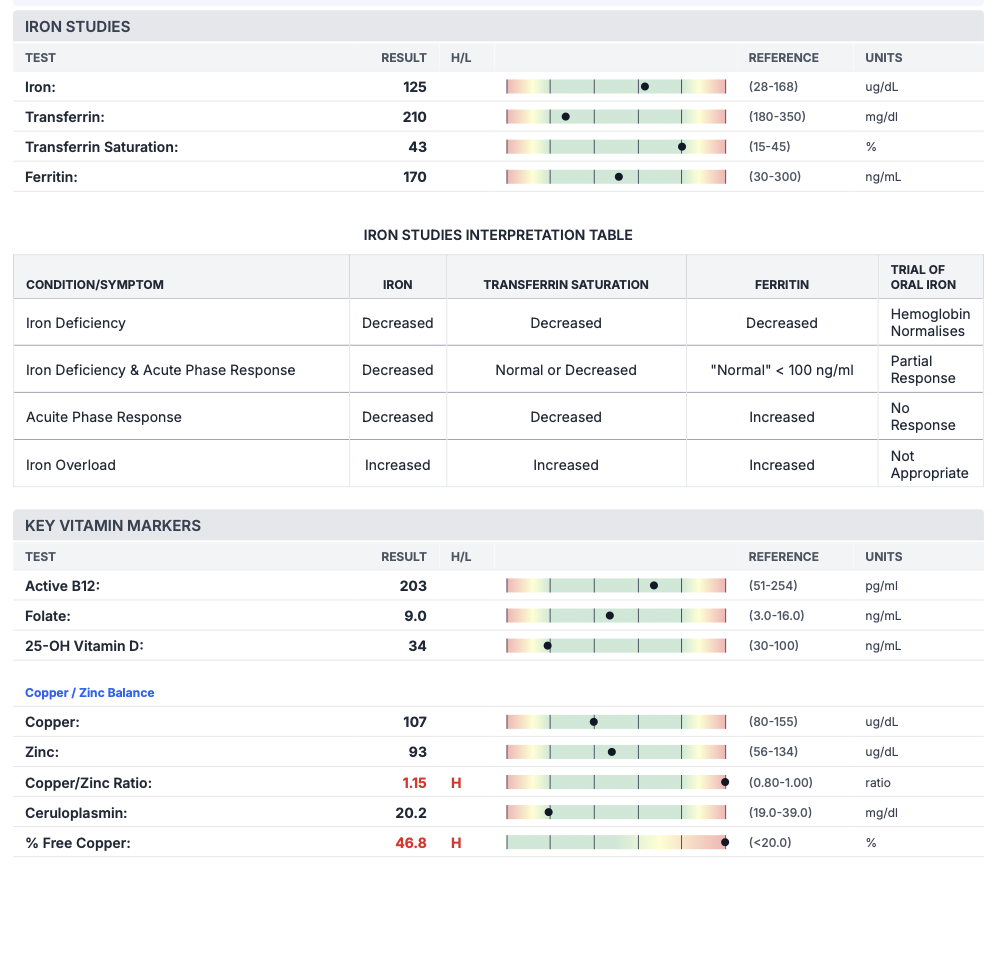
- Interpret mineral status. Evaluate the clinical significance of low zinc, high copper, low chromium, and low magnesium in the context of insulin receptor signaling, glucose transport, and glycemic control.
- Factor in toxin exposure. Identify how cadmium, mercury, lead, arsenic, and phthalates each impair insulin signaling, promote oxidative stress, and contribute to metabolic dysfunction.
- Read the organic acids. Use OAP markers across carbohydrate metabolism, mitochondrial function, microbial overgrowth, fatty acid oxidation, and amino acid pathways to build a functional picture of how the body is processing energy.
- Connect inflammation to insulin resistance. Understand the bidirectional relationship between chronic inflammation, gut dysbiosis, HPA axis dysfunction, and impaired insulin signaling, and how markers like quinolinic acid, cortisol, and bacterial metabolites fit in.
- Apply a panel-based framework. Leave with a structured approach to using NutriSTAT results to identify root causes, prioritize treatment targets, and personalize care for patients with metabolic dysfunction.