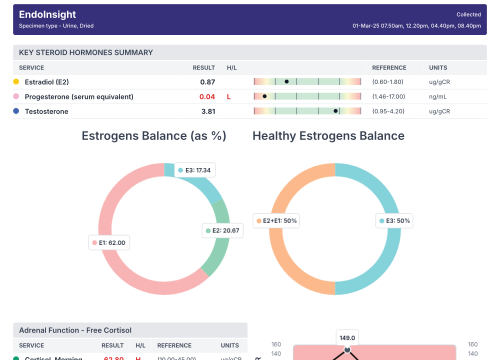
Join us for a clinical webinar on male fertility assessment, designed for naturopathic, functional medicine, and integrative practitioners who want a deeper, more complete picture of male reproductive health than a semen analysis and serum testosterone provide. Led by Dr. Leah Hechtman, PhD, naturopathic clinician specializing in fertility, pregnancy, and reproductive health, published author, and Scientific Advisory Board member for NutriPATH Pathology, this session uses a real patient case, Joshua, 42, TTC 18 months with his partner, to show how a comprehensive hormonal and endocrine workup can surface the contributors driving infertility that standard testing misses.
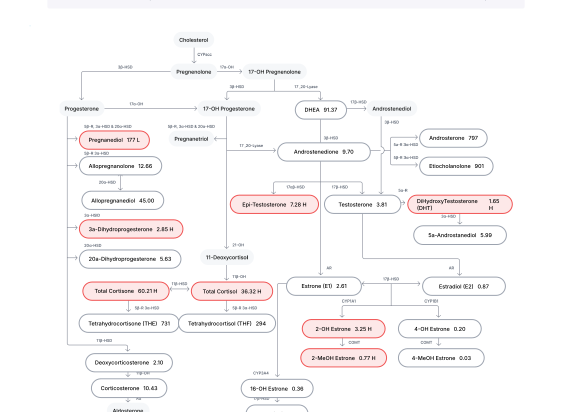
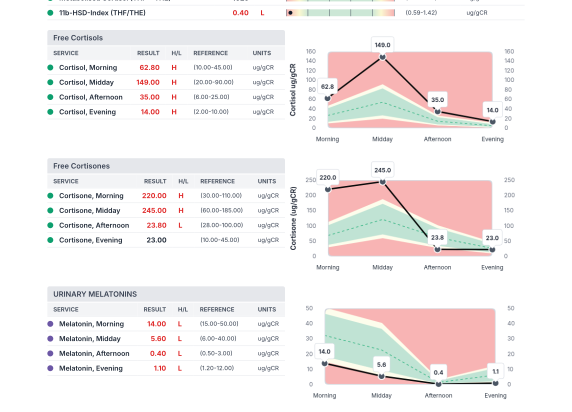
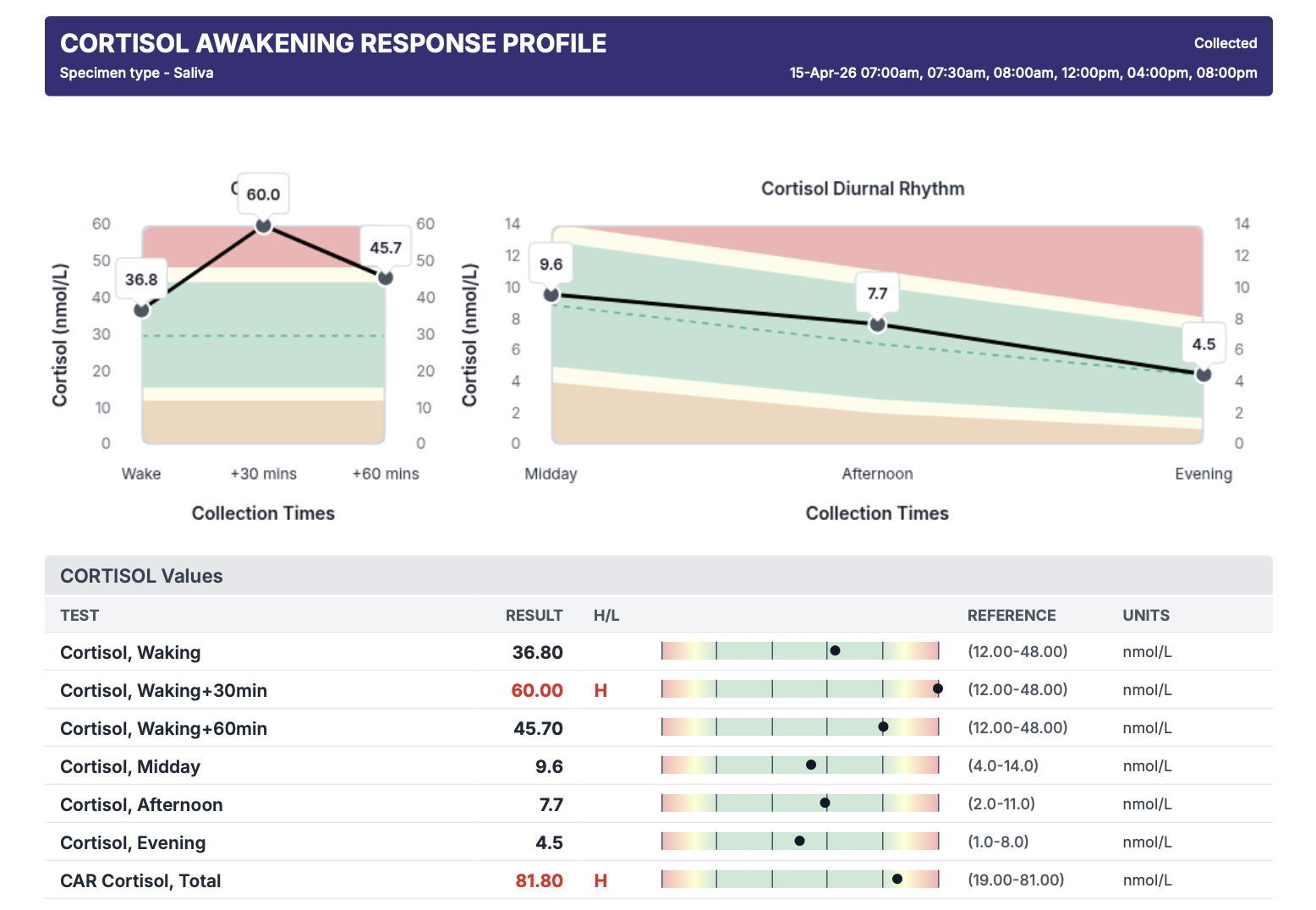
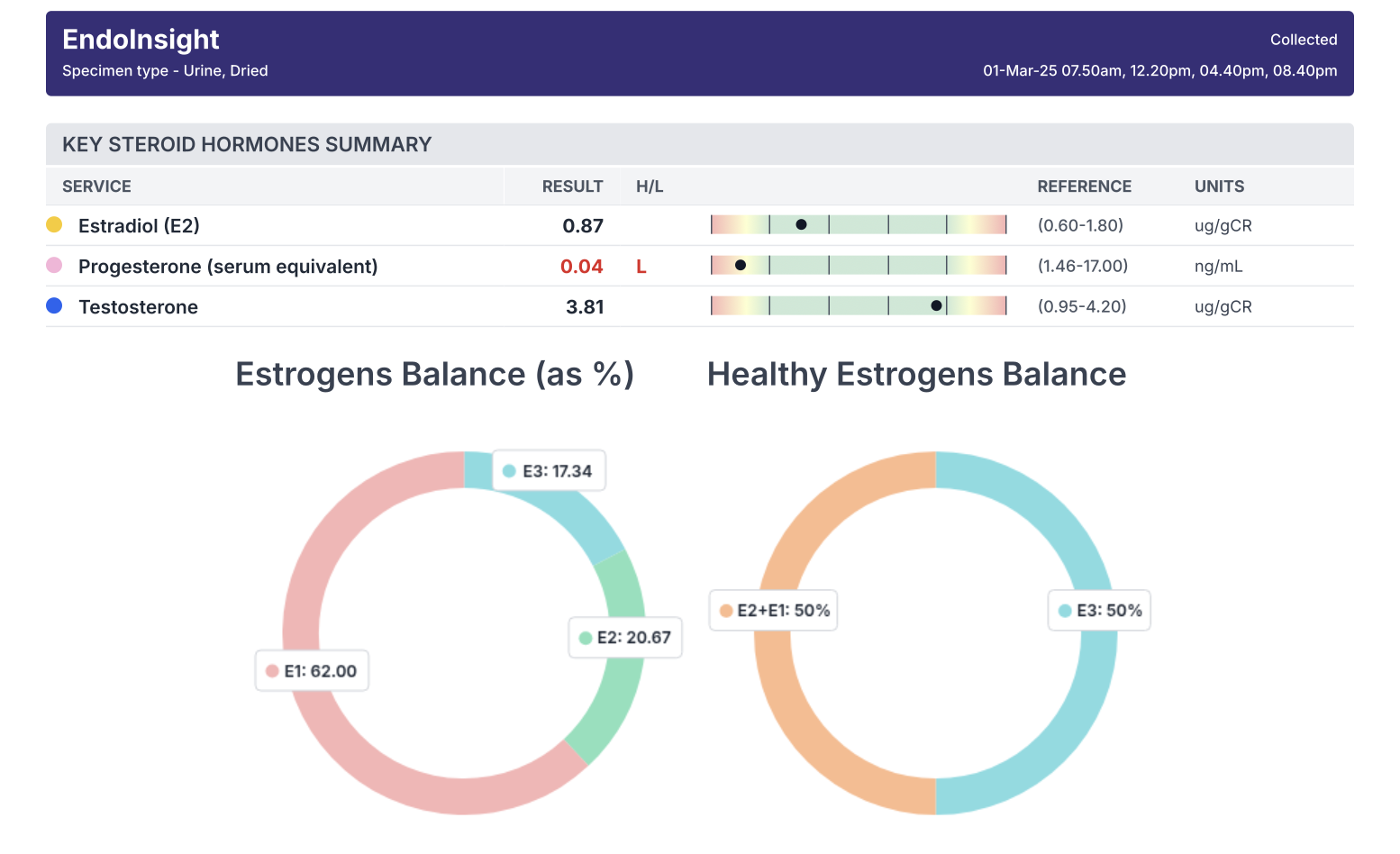
A semen analysis is a snapshot in time, and serum testosterone alone can be misleading once SHBG and albumin binding are factored in. Dr. Hechtman walks through exactly how to interpret testosterone correctly, when and why to expand endocrine testing, and how to read FSH, LH, and testosterone patterns to distinguish primary from secondary causes of dysfunction. We cover how markers across the full hormonal axis, thyroid, cortisol, melatonin, and sperm-specific testing like SpermQT and the immunobead test, each tell a piece of the fertility story, and how Joshua's results, including low DHEA, low cortisol, low melatonin, and elevated environmental toxins, illustrate why male fertility reflects total health rather than isolated lab values.
Key Takeaways:
- Interpret testosterone correctly. Understand the three circulating fractions of testosterone (SHBG-bound, albumin-bound, and free) and why rising SHBG sequesters more testosterone into a non-bioavailable pool.
- Know when to expand endocrine testing. Recognize the clinical indications for a full endocrine work-up, including abnormal semen analysis, low libido, or suspected hypogonadotropic hypogonadism.
- Read the hormonal axis. Use FSH, LH, and testosterone patterns to distinguish primary testicular failure, secondary testicular failure, and central (hypogonadotropic) dysfunction.
- Go beyond the standard semen analysis. Identify additional sperm-focused testing, including DNA fragmentation screening, sperm antibody testing (IBT), and the SpermQT epigenetic sperm quality test.
- Factor in environmental and metabolic load. Recognize how markers like elevated BPA, PFAS, and cadmium, alongside low cortisol and melatonin mapping, can point to contributors outside a standard fertility panel.
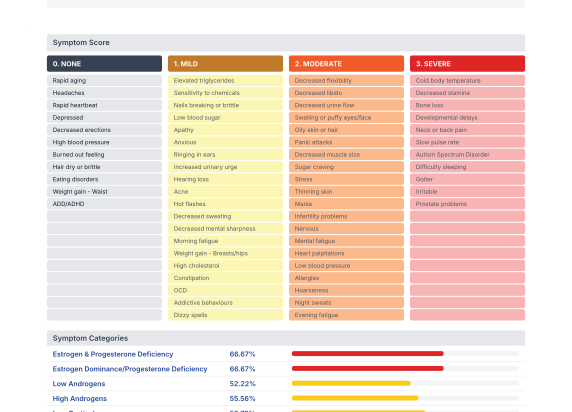
- Apply a case-based framework. Walk through Joshua's full results to see how hormone, detoxification, and environmental markers connect into a single clinical picture and shape a targeted treatment direction.