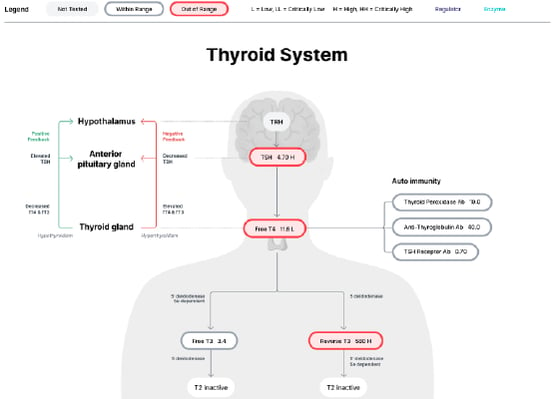
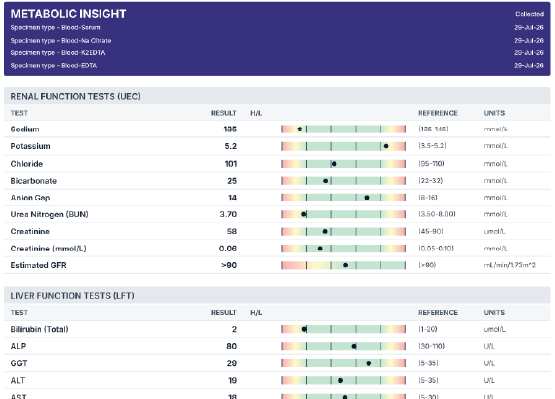
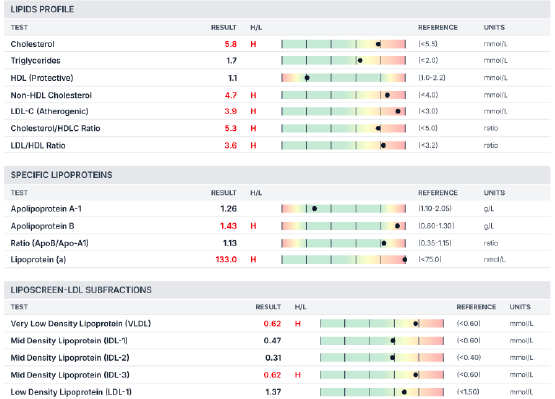
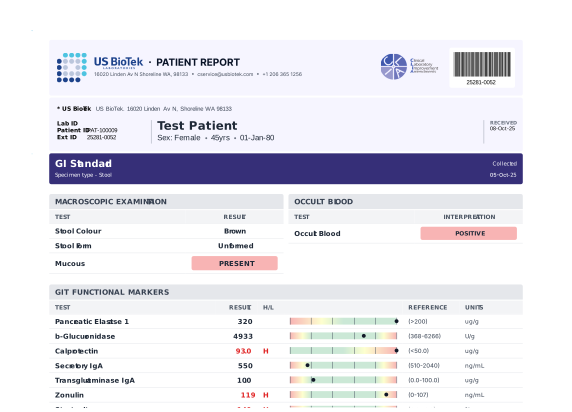
Join us for a clinical webinar on GLP-1 receptor agonist therapy, designed for naturopathic, functional medicine, and integrative practitioners who want to look past the number on the scale and understand what GLP-1 therapy is actually doing to a patient's metabolic and gut health. The session is led by Dr. Racheal Onah, ND, MRN, a licensed naturopathic doctor with a clinical focus on pediatrics and family medicine, an interest in gastrointestinal, metabolic, neurological, and autoimmune conditions, and a Medical Advisor for US BioTek™ Laboratories. Using a real patient case, she shows how pre- and post-treatment testing can guide care before, during, and after GLP-1 use. The patient is a 42-year-old pre-diabetic woman with obesity whose family physician recommended semaglutide.
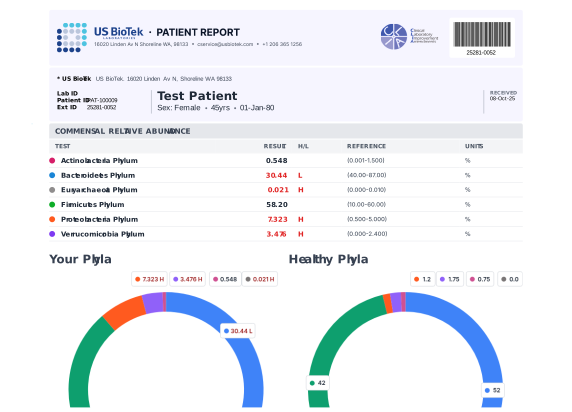
Weight loss alone is an incomplete outcome measure, and GLP-1 therapy brings both metabolic opportunity and GI side effects that deserve active monitoring. Dr. Onah walks through what to assess before a patient starts a GLP-1 RA and how GLP-1 signaling influences the pancreas, liver, adipose tissue, and appetite. She also covers how short-chain fatty acids and indolepropionic acid stimulate GLP-1 secretion, and how key microbes like Akkermansia muciniphila and Bacteroides relate to metabolic health. The case begins with baseline results showing elevated fasting glucose, high insulin, a HOMA-IR score of 5.1, elevated Proteobacteria, and elevated cortisol from midday through the evening. After a targeted nutrition, digestive, and lifestyle plan alongside semaglutide 2 mg weekly, her 9-month follow-up shows 25 lbs of weight loss, a BMI reduction from 33.1 to 29, lower fasting glucose and insulin, and HOMA-IR improved to 3.2. Her cortisol levels also came down, and she is no longer bloated after meals and has regular daily bowel movements.
Key Takeaways:
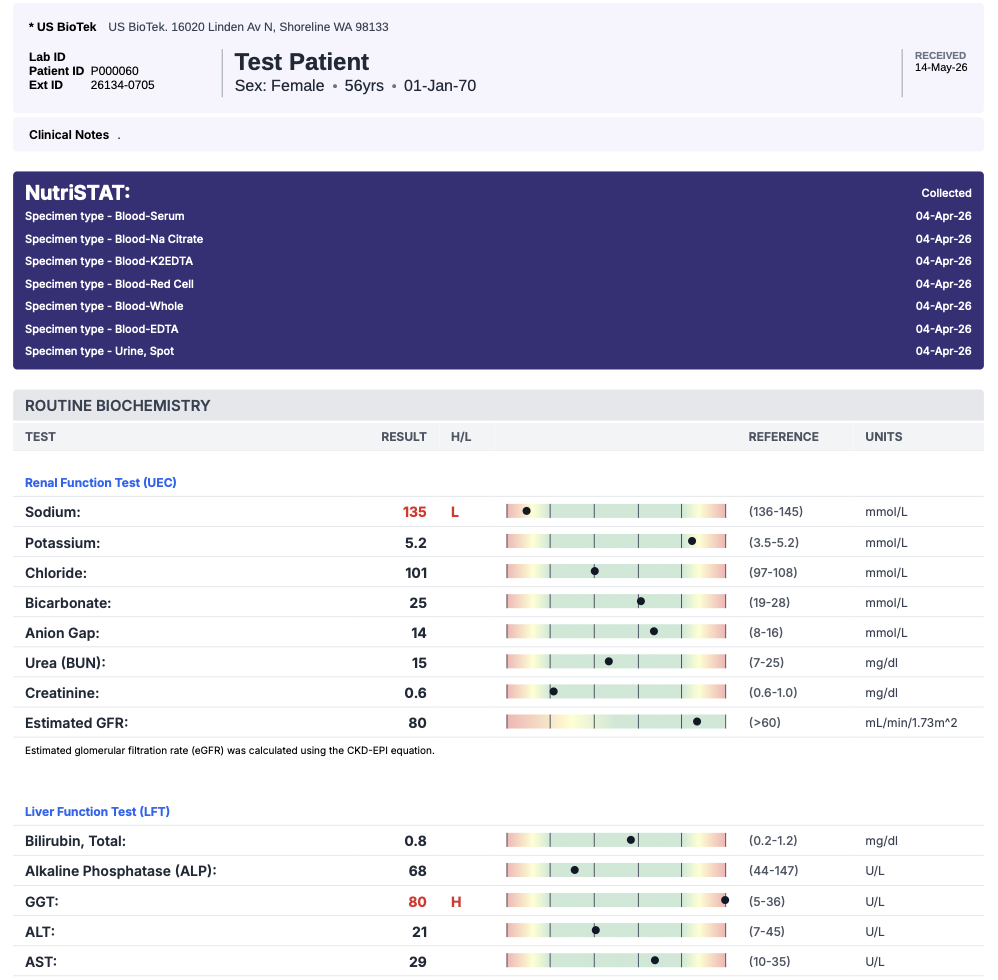
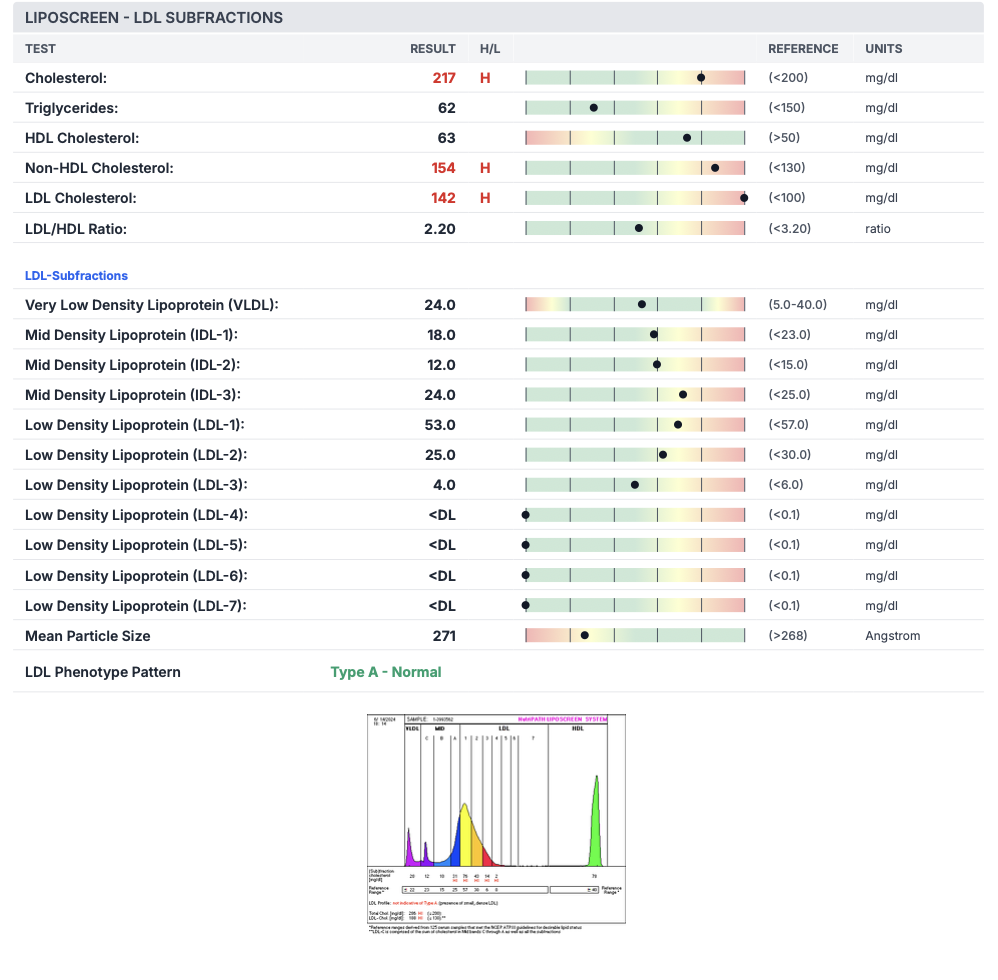
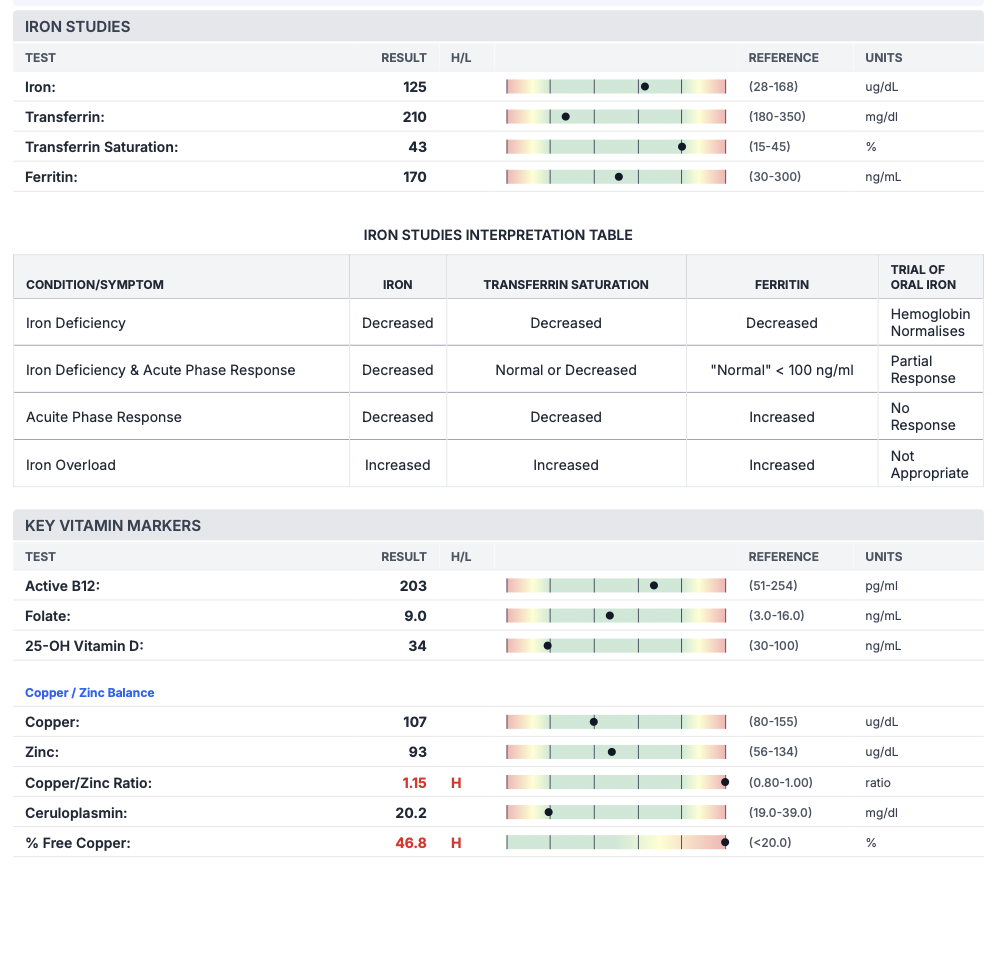
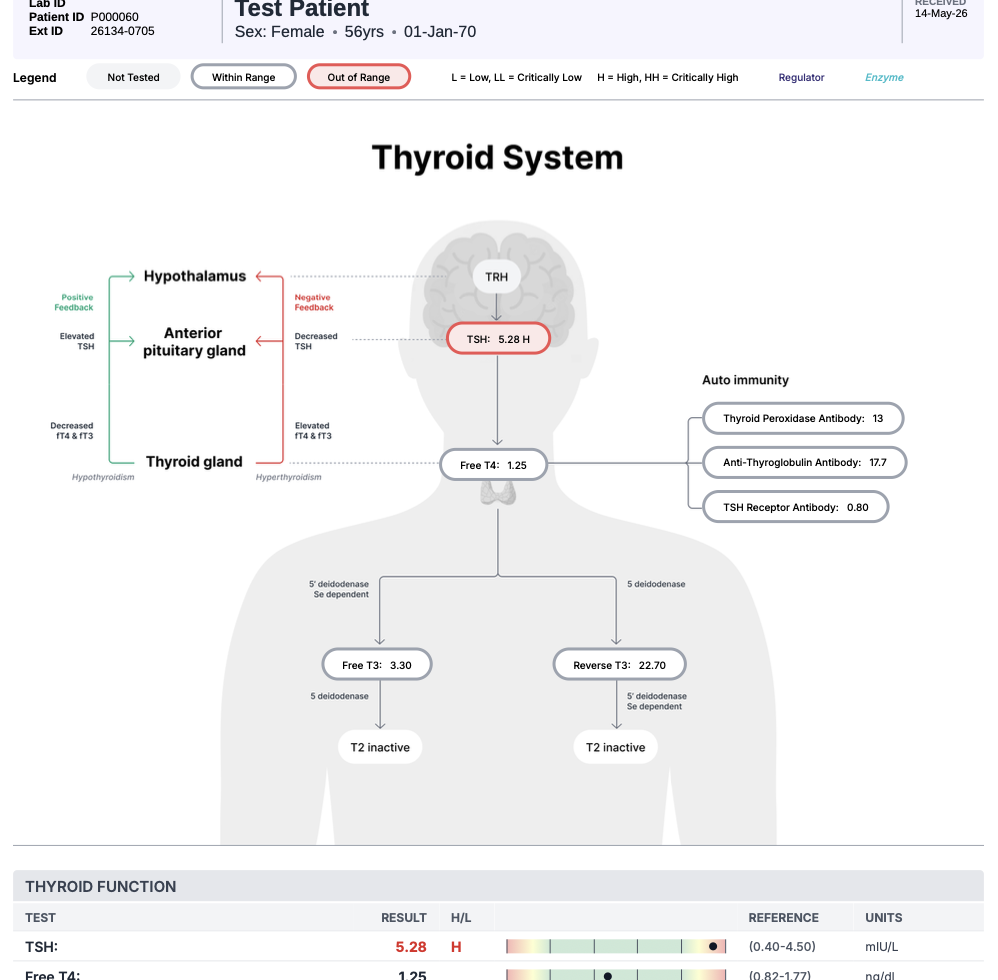
- Build a complete pre-GLP-1 baseline. Know which markers to measure before therapy begins, including HbA1c, fasting glucose and insulin, lipids, liver and renal function, inflammatory markers, gut health, and cortisol and sex hormones.
- Look beyond fasting glucose. Use fasting insulin and HOMA-IR to uncover insulin resistance that glucose alone can miss, and see why two patients with identical fasting glucose can have very different metabolic pictures.
- Understand how GLP-1s work across systems. Review how GLP-1 RAs affect insulin and glucagon release, gastric emptying, appetite signaling, hepatic fat accumulation, pancreatic beta-cell function, and visceral adiposity.
- Connect the microbiome to GLP-1 response. Learn how SCFAs and indolepropionic acid stimulate GLP-1 secretion, how Akkermansia and Bacteroides relate to gut barrier and metabolic health, and how GLP-1 therapy may reduce opportunistic bacteria and endotoxin exposure.
- Anticipate and support side effects. Recognize common effects like nausea, constipation, and delayed gastric emptying, along with rarer risks like pancreatitis and reduced bone density. Explore digestive support strategies and nausea supports such as vitamin B6 and ginger.
- Apply a case-based framework. Compare pre- and 9-month post-treatment results to see how metabolic, cortisol, and gut markers track progress and shape clinical decisions beyond weight.